A Letter from an Unwilling Cook
The letter that triggered hundreds of reader comments - from a 60 year old Englishman who had never cooked a meal in his life.
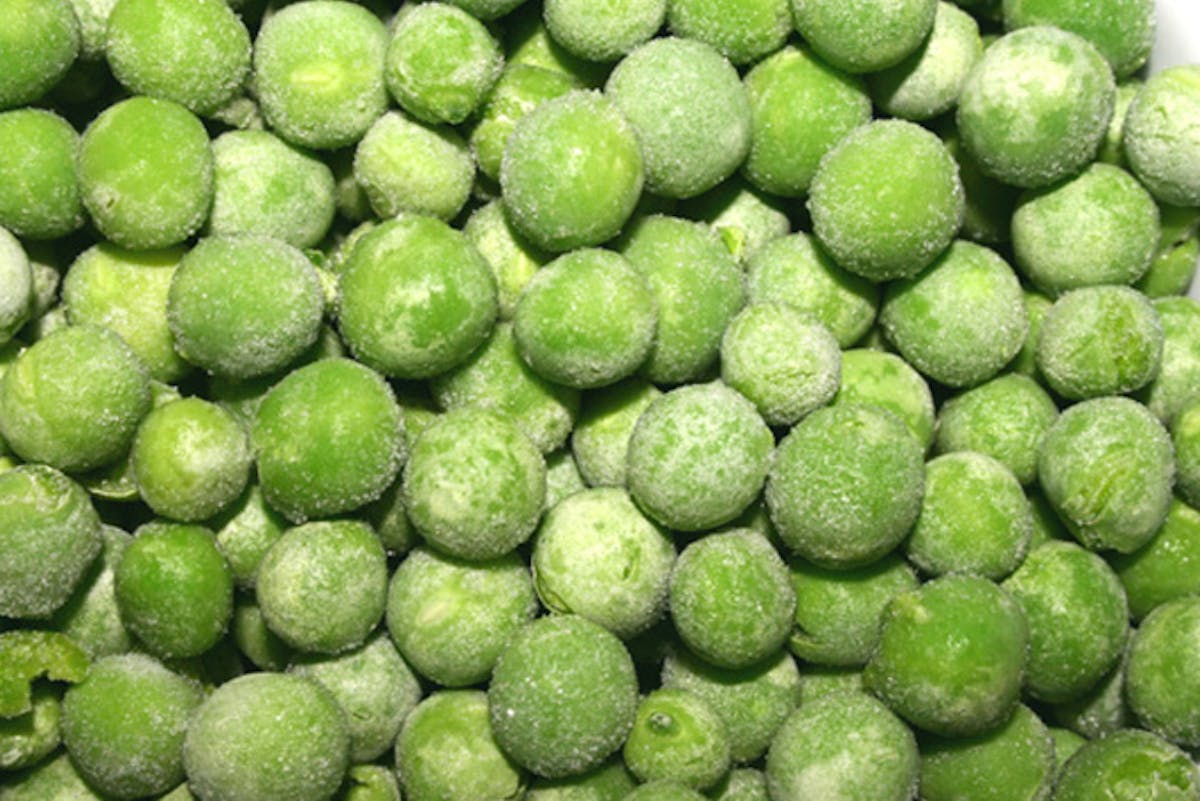
I love reading the emails you send me. I usually keep them to myself, but occasionally I come across one that I'm inclined to share. I had one of these come through my in-box a few days ago...
Hello Heidi,
I spotted your site as a Google banner, so that's how I arrived here.Why should I, a 60 year old Englishman who has never cooked a meal in his life (I'm not proud of that) be looking at a Cooking site?
I am newly single, and facing having to care for myself. I've mastered the big white box (washing machine), discovered that 'food' can also go in the beer cold box, that frozen dinners can be made in the little white microwave-box, but.... I have a box left over. I think it's called a cooker?
My problem is that "Cookbooks" are written by extremely competent, very enthusiastic cooks. This is no good at all to duffers like me, who actually don't want to cook, but will have to. Apart from cookbooks intended for students (wall-to-wall pasta!), I haven't found one that firstly takes me round the shop telling me what (and what NOT!) to buy; exactly how much water to put in a pan; what I should be doing while the cooking-box-thingy warms up; how much of what herbs/spices to add ("season to taste" is NO help!); how do you prepare, for instance, "minced garlic"/etc.; and so on. The problem is that there is too much assumed knowledge on the part of the writer, as well as a supposed enthusiasm on the part of the reader. This reader has no enthusiasm whatsoever!!
There is a class of reader out there who cannot cook, who must cook, but who don't really want to cook. So why bother with deadbeat people like this? Out of pity, I guess!
And why am I writing to you? I like the clear way you present what seem to be simple, interesting recipes, your enthusiasm, your contacts, your willingness to take on board what others say, and I hope that you have some compassion for those of us starving on ghastly tv dinners...!
There is a need for a small group of recipes for the "don't-wanna-but-gotta-cook" people who nevertheless want to do things correctly. These recipes will take the unwilling novice by the hand, lead them round the supermarket/deli buying simple produce (no 'tef flour'/'kuchai'/etc!), then stand them in the kitchen, and tell them everything they need to do... every single, solitary action! Maybe we will go on to be enthusiastic and knowledgeable (but don't hold your breath!)? But we will be grateful :)
If this strikes a chord with you, maybe you would give it some consideration? Simple, easy-to-prepare fresh food that even I can make... aaah!
Sincere best wishes,
B.B. - Surrey, England
So...I thought I would open up the discussion to all of you.
What advice do you have for a 60-year old Englishman who has never cooked a meal in his life? Someone who is likely overwhelmed, lacking much (any?) enthusiasm, someone who could clearly use some inspiration and advice. Where does someone like this start? - He's certainly not the only one feeling this way.
photo from istockphoto.com
And update to this post can be found here - congratulations Barry!


Premium Ad-Free membership includes:
-Ad-free content
-Print-friendly recipes
-Spice / Herb / Flower / Zest recipe collection PDF
-Weeknight Express recipe collection PDF
-Surprise bonuses throughout the year
Comments are closed.
Apologies, comments are closed.
Comments
Thanks again to everyone for all your suggestions, tips, and recommendations. I assure you Barry is real and really did email me. I sent him my own response and after I hit send realized all of you would likely have many more ideas than I could come up with off the top of my head (and a much broader perspective) . It takes a village!
On this note, I’m going to turn off the comments. I promise to check in with Barry regularly, and I’ll update you all on his progress in the future.
Thanks again to all of you for rising to the occasion. I think we might have a cook on our hands before we know it 😉 -h
as a college student freshly off on her own and cooking for herself, i felt similarly for a while! i love cooking… desserts. main dishes and i weren’t best friends.
it’s a great idea to start from pre-cooked or pre-packaged ingredients and then add fresh to make it better. one of my fave in a hurry dinners is packaged ramen! while the noodles are boiling, add slices of raw chicken or steak. they’ll cook while the noodles do. add your own spices (cayenne pepper, curry powder, etc), veggies like broccoli, snow or snap peas, carrots, mushrooms. it’s an endless steam of stuff to add.. just whatever is on hand!
my mom also gave me some of her easy recipes – chicken breasts, covered in cream of mushroom soup, with bread crumbs/crushed crackers on top. bake until not pink anymore. voila.
i also worship frozen veggies, esp. peas, carrots, and asian-style stir fry 🙂
as for the food network, much of it is complicated, but i LOVE alton brown. he is so easy to understand and his food is so simple, but it looks amazing. he had a great episode on pouches, the other day.. just buy parchment paper and put stuff in pouches, like salmon!
good luck, BB! 🙂 you’ve gotten a ton of great tips 🙂
Hmmmmmm, never cooked before? Well, I agree with a previous comment, directing you to the food network! I watch it almost everyday, and you do begin to pick up on the lingo after a while 🙂
I, like you, started cooking later on in life. My family spoiled me!!!! They are fascinating chefs, so I never had to cook, and never really wanted to, maybe it was one of those things when you don’t want to follow in your parent’s footsteps???Anyways, when the time finally came for me to cook for myself, I felt lost. I honestly just experimented, picked an easy dish, asked a lot of friends, compared their recipes with others and just went for it! It will come to you, be patient and most importantly have fun, don’t get frustrated! At least you’re interested, that’s step one.
Other people have given some good beginner tips and recipes so I’ll go into other basics. I’m not familiar with English grocery stores but assuming they are similar to what we have here in the U.S. – the fresh stuff is on the perimeter. If you walk along the outer row you’ll find the veggies, meat, dairy, bakery. The inner aisle have the more processed (read – canned/tinned) stuff.
Buy just enough for a day or two or it will get shoved into the deep recesses of the beer chiller!
Assumine the ex took most of the kitchen you’ll need to have some tools to work with. Do you have a knife (preferrably 3 – a paring knife, chef’s knife – 8 inches, and a serated knife to cut bread.) If not, go to your local cutlery place and ask for help. DO NOT SPEND A FORTUNE, ask them to show you how to use a steel (to put the edge back) no need to buy an entire rack of knives just yet. You’ll need a peeler to peel potatos, carrots, etc. A garlic press might help with the mincing garlic thing (alright it crushes the garlic but you gotta start somewhere). You also need a couple rubber scrapers and a food turner (spatula). What about a pot? Do you have something big enough to boil water for pasta o rmake soup (8 quart)? a fry pan (10 inch is a good start) and a smaller sauce pan (2 to 3 quart) Again, go to a local cookware store and ask for help. Don’t be snookered into buying too much or you’ll never use it and just get angry that you spent a lot of money. A few key pieces are a great start. Get a cutting board, either wood or plastic, not glass. Get 2, one for raw meat and one for other stuff – mark the one for raw meat so you don’t forget. A couple of pot holders (to drag stuff out of a hot oven) and an oven thermometer (to make sure the oven is at the right temperature). Now that you have assembled a reasonable amount of basic cooking stuff try some of the dishes already posted. Enjoy, really, and if it comes out awful – write down what you did with a big note never to do that again and order a pizza (or fish and chips) have a beer and plan for the next food adventure.
Is anyone else out there starting to believe that this unwilling cook is a figment of someone’s imagination? He doesn’t seem to me like a jerk (like the previous commenter believes), he seems capable and interesting and just about as likely to become a good cook as the rest of us (and he has a palate for wine!). Besides that, he seems absolutely charming. Heidi, do tell us if you’re fooling us. If not, this may be an elaborate April Fool’s joke on you as well (maybe Sam? I guess she comes to mind because of the English thing). In any case, this is good fun.
If Barry is for real, I will recommend a recipe for potatoes, since he has expressed interest. Roasted potatoes (and roasted vegetables in general) are, in my opinion, one of the easiest and best ways to prepare them. Just cut up the potatoes in the shape that suits your fancy, put them on a baking sheet, add some glugs of olive oil (more if you want them good and crispy, less if you want to watch your waist line), and “season to taste.” It seems you like black pepper, put some of that on along with some salt. Other good options are oregano, rosemary or paprika. Roast these in a hot oven (recipes vary from 375-475 F and above, that’s about 190-245 celcius, I like the higher range). Roast for 30-60 minutes (depending on temperature), shake the pan a couple of times to flip the potatoes around and make sure nothing sticks. These are good hot out of the oven and also at room temperature. I don’t mind them the next day re-heated in the microwave either, so try making a big batch and see what you think.
Try breaking your eggs – and I’m not making this up – on the counter instead of the edge of the bowl. Don’t drive them down so that they shatter, but bring the egg down hard enough so that it cracks (I think it helps to bounce it a little), then open the shell over the bowl and let the egg drop in. You’ll have much less of a problem with shells in your albumin.
60 yrs old, doesn’t know how to cook, didn’t know how to work the laundry, thinks the fridge is just a place to store his beer, had to learn how to heat things up in the microwave – no wonder he’s single. What a jerk! My suggestion is for the dude to rent himself a room in a men’s club and eat there. Otherwise, women run the risk of bumping into this cad and being suckered by his, “I’m new to this, can you help me?” pleas.
Well, others have mentioned it, but if you want a precise, scientific approach to cooking, Alton Brown is your man. I don’t know if you’ll be able to get his show (Good Eats) in the UK, but you should be able to get a copy of his first book, ‘I’m Just Here for the Food, v. 2.0.’ I have a copy and it’s my Bible in the kitchen!
First off, it’s very technique-oriented. There are chapters on buying, storing, and chopping food. The bulk of the book though focuses on different methods of cooking (grilling, poaching, frying, etc.). He explains how each method works and why you use it. The recipes aren’t as complex as they look, but they’re tailored so that you learn the process – a recipe for roast chicken will teach you how to roast. (Incidentally, my only complaint about the book is that the index doesn’t necessarily make up for this and list recipes by type of food).
A.B. also takes a very precise, scientific approach to food. While he encourages you to modify recipes to your own tastes, he hates dealing with fuzzy, nebulous terms like ‘pinch.’ Every recipe lists things by volume and, I believe, by mass (in grams) and weight (in pounds). He also reccomends you cook until the meat reaches a certain temperature (it’s more precise than ‘until done.’) and this should be the only time you have to translate out of American. Basically, he treats cooking as one big DIY project – up to and including pointing out when you can get good cooking tools at the hardware store.
Once you get the techniques down, don’t be afraid to play around with the recipes a little bit. It’s simpler than you think: if you think something is too salty, make a note to add a little less salt next time. Too spicy? Add a little less pepper next time. More often than not, that’s all there is to it.
Visit http://www.videojug.com for video demos on how to make anything you can imagine!
roast beef and potatoes and peas.
Easy, would make him use the oven, hard to miss. Left over beef can be beef with mushroom soup and onions over noodles. Easy again.
It would be fun to write such a cookbook!
He’s single. He should take a cooking class… maybe he’ll meet someone who likes to cook for him…. after all, he said he was unwilling.
I would advise our friend from across the Atlantic to consult his friends, first and foremost. I’m sure that they all have great simple recipes that he has enjoyed with them over the years and where better to learn to cook than from the people who know and love him? Also, speaking from personal experience, mistakes in cooking sometimes turn out to be the best recipes after all. Bottom line, don’t be afraid to try!–you might burn a few things down the line but you also get some amazing dishes in the process
I don’t have any advice. I’m a mom, a new one, and I hate to cook. Not only do I dislike it, but I’m really quite terrible. I burned fish sticks the other day…
My toddler lives on frozen waffles. Not because she is a picky eater, but because I don’t have the patience or inclination to learn anything else. Slowly, my guilt is chipping away at my resistance, and I’m feeling obligated to learn.
The title “Unwilling Cook” drew my eye. I am a bit overwhelmed by the number of people looking at me with “What’s for dinner?” on the tip of tongues. What is for dinner, indeed. How should I know?
Anyway, just a bit of a vent. I’ll poke around on these pages and see if I can find a primer of sorts for a unenthusiastic cook. And BB, your message was eloquently stated. I appreciated reading it!
Saturday morning dawned and I was going to spend the day motorcycling round Cambridgeshire with some dear friends (the ones who showed me and explained all about The Steamer, remember?). What I needed was a big lump of protein to keep me going for the day. In the evening we planned to ‘go for an Indian’ (before you all gasp, for you folks in the US, that doesn’t mean ‘pick a fight with a Navajo’! It’s British shorthand for ‘visiting an Indian restaurant’) so no more cooking for me after my breakfast.
One of the glorious aspects of the British Empire is the lasting legacy in Britain from the Indian sub-continent. India truly was the Jewel in the Crown of Empire, and their food is just absolutely wonderful. Sadly, I have never had an Indian meal that has been any good, outside of an Indian restaurant. A few years ago I visited one of the only Indian restaurants I have ever seen in America – it was near Naples, Florida, and it was an utter disgrace. The food was appalling, just chillied-up curry chicken and rice dishes, but with none of the subtle spices and techniques that make a ‘good Indian meal’. They clearly had a satisfied local clientele, so who’s complaining? I just wish those clients could taste what ‘an authentic Indian meal’ can really taste like.
So back to breakfast and what to cook? Heather sent me some recipes/techniques for cooking quick eggs, so I eagerly dived into the fridge, grabbed a couple of eggs, re-examined her recipes that I had printed out, and prepared to do battle… The ingredients were all laid out, as if in some Mediaeval religious rite. The toaster was primed. The top off the butter. Salt and pepper to my left. Sliced olives to my… sliced WHAAT??? That’s what the lady says in recipe 2, so that’s what I chose to make – I LOVE olives. Now where was I? Ah yes, olives to my right. Break eggs into bowl… how hard is it to break an egg? Bloody hard! I have since been given the tip to strike it on as sharp an edge as possible, whereas I had been trying to break it on the gently rounded shoulder of the bowl. Plus I was being a bit timid too. Nope, that’s right lady, I’ve never even broken (intentionally) an egg before. I’m not proud of this fact, but there are many out there like me, believe you me.
Right, eggs broken into bowl; fish-out the broken bit of shell with the remains of the shell in my hand. I’ve since been told that this is THE way to do it – using a finger or something just doesn’t work, but nobody told me! I was just lucky there, otherwise I would have been up to my armpits in albumen, fighting the slimy sonofa…
Beat the eggs. Easy, once I twigged that I needed to use a bit of a chopping motion to break it up – they were just going round and round in the bowl. Pretty to watch, but not actually doing anything. Salt/pepper to taste (I’m getting the hang of this ‘season to taste’ now – easy isn’t it?), some splashes of tabasco, and a small handful of olive slices. Into the microwave, and put on the toast. WRONG!!! 60 seconds later and the eggs are done, but the toast is still festering in the toaster. Can I add another euphemism to the English language, alongside “a watched pot never boils”? How about “a watched toaster never toasts when your scrambled eggs are done and getting colder by the minute”?
I think I’d left the eggs in the microwave for too long and they were a big lump, but easily broken up into a semblance of ‘scrambled eggs’ – not bad for a first attempt. Tipped onto a couple of slices of thickly buttered wheatmeal toast, it looked delicious. It tasted very good too, the olives really adding to the flavour, but sadly the tabasco was nowhere to be seen, or tasted. I don’t know what happened there, but obviously my ‘season to taste’ was out to lunch at the ritual of ‘The Splashing of the Tabasco’. I didn’t want to overdo it and it seems I went and underdid (Technical Term Number something-or-the-other) it instead.
So I set off on a super day’s gallop across The Garden of England towards my friend’s house in Hertfordshire, full of that same plumptiousness that I had enjoyed the night before. Hmmm… this cooking-business isn’t half-bad… and neither was the Easter ‘bike ride with my friends.
Heather’s three options for Microwave Egg Omelettes:
Crack 2 eggs into a glass/ceramic cereal bowl.
Adda couple drops of hot pepper sauce, or just sprinkle with a couple ofshakes of salt and pepper. Stir vigorously (scramble or beat) with a fork,making sure the yolks break, until a consistent light yellow color.Microwave uncovered on high for 90 seconds. Make sure the egg is cooked.If not, cook longer at 15 second increments.
Adda couple tablespoons of your favorite jarred salsa before you beat theeggs. If desired, add a couple of black olives sliced into 4 or 5 pieces.Microwave uncovered on high for 1 minute 45 seconds. Cook longer at 15second increments if not fully cooked.
Ifveggies are desired, pick up a bag of frozen stir fried vegetables, oranother favorite frozen veggie that is not corn or peas. (Mushrooms worktoo, but those must be bought fresh and sliced.) After scrambling the eggswith a fork, shake about 1/4 cup of the frozen veggies into the eggs, andthen stir to coat them with the eggs. Microwave uncovered on high for 21/2 minutes, stir, and then microwave at 30 second intervals until all theegg is cooked.
After your omelet is cooked, you can sprinkle it with your favorite shredded cheese.
You can try adding other ingredients – make sure the pieces are relatively small – the size of the veggie pieces in the frozen stir-fry bag are a good size guide, understanding that the pea pods are the absolute biggest size you would want to add. Frozen broccoli spears, for example should be cut in at least 4 pieces.
Always cook a shorter time and then check for doneness. It’s much easier to fix an undercooked food than to salvage something that’s overdone.
I hope that all this twaddle is giving you an insight into the tribulations I’ve been going through. Every word is true, honestly! It’s a shame that I was interrupted in my cooking spree this Easter by visiting my friends, but no harm done.
I have just one more post to make, and then I think I’ll give it a rest for a while, before I run the risk of boring my audience (if I haven’t already!). An occasional observation thereafter is probably more than you can then all stomach!
I’ve enjoyed this immensely – I never would have believed that over 200 people would have responded, and with such kindness and concern too. I had just hoped for a word or two of encouragement or tips before I steeled myself to actually go out and DO something about my predicament.
Thanks again to you all, and I shall be visiting and re-visiting all these comments time and time again over the coming weeks/months.
Goodbye and thanks.
Barry
Hi Heidi,
Other suggestions from contributors included chicken, which is a favourite of mine as I have an odd aversion to fat on meat; and numerous favourite cookbooks. These cookbooks must be really loved members of your families, as they are spoken of with such, well, affection. They’ve clearly helped out newlyweds, college kids, the newly single, etc., and are obviously held in high esteem. It is with that very much in mind that I am going to re-visit all these recommended cookbooks but with a new vision. The “Blah, blah, blah, blah…” viewpoint is gone. The new-me is looking at all this from a different perspective now – I’ve had to.
But time for me to take the plunge, folks. The moment you’ve all been waiting for… (drum roll….)
My first meal was….
Sam the Cooking Guy’s “Grilled Rosemary Chicken Sandwich” ( http://www.thecookingguy.com/cookbook/recipe.php?id=130 ), with SusanS’s “Green Bean, Tomatoes & Onions”, a side-salad and a glass of Chilean Cabernet-Merlot.
This is how it went. I popped across the heath to my supermarket (damned handy that, just a five minute pleasant walk away) but then spent about 15quid ($30) on various bits I thought I’d need, not all just for these dishes I hasten to add – at least I don’t think the Cooking Guy said anything about using deodorant in his sandwich. I gulped a bit at how much I’d spent but this is all new for me, and this is what hobbies are like, isn’t it? It doesn’t matter if it’s embroidery or model aeroplanes, the amount you have to spend just to get started is usually horrendous. Unless you’re collecting ‘matchsticks’, when start-up costs are minimal
( http://www.matchstickrockets.com/howto.html )
I chose Free-range Organic Chicken Breast Fillets (two in a pack). It was the last pack they had, yet they were literally dozens of packs of other ordinary, cheap ‘chicken breast’ – a telling comment upon modern buying habits, or had the delivery lorry just not arrived? ‘Free range’ because I’d heard that more activity by the bird makes the meat tastier. And organic? Well that’s one of the reasons that I need to get away from processed food – to get away from chemicals in my grub!
I’d printed out the two recipes, and then gathered round me in the kitchen all the things that I knew I needed, all the things that I thought I might need, and a few things just to make me feel comfortable (a cuddly toy, a baby’s pacifier, a piece of blanket… No! I’m joking!!). This was one operation, planned with military precision – MY FIRST MEAL. Nothing, but nothing, was gonna go wrong.
I’d gone over Sam’s recipe in my mind so many times, and Sue’s “Green Bean, Tomatoes & Onions” is very straightforward.
And I just did it. What the recipes said. I did it. I DID IT! Happy? Was I ever! As happy as a happy person who is very, very happy (thanks Blackadder). It just went like clockwork, except…
When I went to buy the ciabatta, I didn’t like what the store was offering, so I bought a panini instead. I will try ciabatta in the future to see what the difference will be like. Also, I’m not a lover of avocado so I didn’t include that. Otherwise, it was just as Sam demonstrated. I have to say I think that I had a bit more panache and flair as I created mine, but Sam’s doing his best, poor guy.
His recipe was so straightforward even a fool I could do it! Maybe I put a bit more black pepper than he would have, but it’s good for the digestion and I just love it.
When I poured the tomatoes out, the juice was like Niagara and I had to spoon a lot back out of the frying pan (skillet), otherwise it would still have been ‘reducing’ (Note: Technical Term Number 27) even now. But I’m learning.
When I combined the beans and the tomatoes, I put them all in with the onions and only then put the mixture into the pan to heat up. In retrospect this was a good move (for my palate). The onions remained raw-ish (Technical Term Number 27 1⁄2 ) and slightly crunchy, and were the perfect foil for the softness of the beans and chopped tomatoes. I ‘seasoned to taste’ (it really is just what you want it to taste like, isn’t it?) and again, I probably used too much black pepper. I made far too much, even just using half a tin of each ingredient and half the onions. Never mind – I scoffed the lot!
The side salad was perfect – a few pieces of lambs lettuce, shredded beetroot, baby tomatoes with a libation of the same Italian dressing as Sam’s chicken marinade. And lashings of black pepper.
The wine was a huge mistake – totally inappropriate. I knew it, but it was the remains of last night’s medicine, and had been laughing at me in the kitchen all the while I had been ‘cooking’ – it had to go! You’ll be pleased to know that I made the same dish again last night (with the remnants of my earlier shopping) but this time I had a glass of Cotes du Rhone and it was much better. I wouldn’t mind betting that a Valpolicella or similar would be better still.
For my second meal, I did cook the onions a bit first, but I now realise that I prefer my first attempt when I unintentionally cooked the ingredients all together. I also added some ‘mixed herbs’ (season to taste!) but didn’t notice any difference – maybe I didn’t put in enough? I also added in one coarsely sliced fresh tomato to give it ‘something else’ – very nice.
So that was MY FIRST EVER COOKED MEAL! And YOU were all instrumental in giving me the kick up the backside that I needed. Thank you, one and all XXX
Anyway, that all took place on Friday night, and I fell into bed full of plumptiousness (Technical Term Number 27 3⁄4 !!). But all-too-soon Saturday morning arrived and I was all fired-up… “What to cook? What to cook?” I was like a man possessed! I’ll tell you about that tomorrow. Good night!
Barry
The recipes:
http://www.thecookingguy.com/cookbook/recipe.php?id=130
Hi Heidi,
Back home after spending the night with my friends, I cooked the second half of the Chicken in Rosemary, and Beans, Onions, Tomato, with the slight variations as enumerated earlier. It was just as delicious, and with the nicer Cotes du Rhone, I enjoyed it as much as MY FIRST MEAL! Did I mention my first meal? Stop me if you’ve heard it… (just kidding!)
Now what to cook for breakfast? Eggs are an obvious choice for a budding cook, and I’m aware of the dangers of becoming ‘egg-bound’ apart from the cholesterol aspect! Still, “when one is an aspirational chef, one must be prepared to sacrifice oneself…”!! Another dear friend had phoned and told me of another recipe, then coached me as to what to do, over the ‘phone. Because I’m such a cloth-head and I’ll probably forget, I’ll get it sent to me eventually written in an e-mail, but I’ll tell you now what I can remember of all that I did. Forgive me if I forget a vital ingredient, like ‘the cooker’…
Ingredients:
Three eggs (or two. Or one. Or none – in which case this recipe is then for a cheese and onion sandwich)
Cheddar cheese (I prefer ‘extra mature’ for the added bite) or whatever your favourite is.
Wheatmeal bread, two thick slices.
1⁄4 of an onion.
Butter.
Olive oil.
Salt.
Pepper, or “season to taste” ‘cos I know what that is now 🙂
Poncey garnish if you’re a poncey garnish person, or naked if you’re naked kind of person…
Puta small knob of butter (about the size of the head of a teaspoon) in a panwith a tablespoon of olive oil. Heat until… hot. Putting it on the stove helps to do this.
Beatthree eggs in a bowl (I was hungry, all right?) If you’re not hungry, you have a choice – two eggs, one egg, or muesli…
Choponion into small diced pieces and put into hot pan with the butter and oliveoil. It will then ‘cook’ (these Technical Terms just keep coming… try to keep-up as there will be a test at the end.)
Gratesufficient cheese into the beaten egg to taste – I like ‘cheesy’ so Igrated a piece the size of a matchbox-and-a-half. Hmmm… It depends on how many eggs you’re cooking too, I suppose. And how strong the cheese. Oh, sort it out for yourself…
Seasonto taste (Tarrah!!! My first use of that golden phrase, that caused me so much angst, you may remember?)
Toastthe bread, then butter it or not, to your taste.
Addthe beaten ‘cheesy-egg’ (known in some parts of the world as’eggy-cheese’) to the onions in the pan, and using a wooden spoon keepturning and gently beating (to fluff-up the egg)
Whenthe scrambled egg looks like, er… scrambled egg, turn it out onto thebuttered toast.
Garnishwith poncey bits of vegetation if you like, or just scoff it down withoutdelay…
This is, apparently, fantastic with baked beans (the sort weget here in the UK in tomatosauce, and which is surprisingly difficult to find in parts of the US) –it makes a real ‘hungryman’s breakfast’.
I’m still full, and it’s well into the afternoon!
And that’s it from this Unwilling Cook. I’m still Unwilling, but I am a lot more amenable to learning than I ever thought I would be, thanks in the main to all of you who have taken the trouble to encourage me with your ideas.
Bless you and thank you.
Sincerely
Barry
I, like loads of others, learned to cook by watching my Mum when I was little. I found that time together relaxing, and in fact still use cooking as my biggest tension reducer – what could be more destructive than reducing a pile of veggies to fine dice? =D
For me, food represents love and affection – I cook my family nice things because I love them, my Mum did the same for me as a child for the same reason – could you be feeling a little overwhelmed because you are missing the affection that food used to represent?
I’m in Sussex – not a million miles away from you (at the bottom, by the sea), and I’d be happy to show you around my kitchen and the local supermarket, if you’d like to?
As far as cooking for one goes – no, it’s not fun. But I assume that you have a freezer? You’ll find that things like chilli or bolognaise sauce taste better the 2nd time around. I always make more of these than I need – and then I freeze the rest in portions (how ever many spoonfuls you’ve just served yourself, is a good guide). Our local chinese takeaway cartons are often re used in this way 😉
Get to know when your local farmers market is – you’ll find this an excellent source of meat and produce, always seasonal, and often organic. Also, the folk running the stalls will usually be happy to offer advice on the way to cook what they sell, and they usually have more time than their supermarket counterparts. Like wise for your fishmonger, if you like fish. Don’t be afraid of using frozen veggies, and try to keep a storecupboard of things like a really good boullion powder or stock cube, chopped tinned tomatoes, tinned corn, condenced soup and even baked beans! All can be used to make standby meals. Get familiar with what you like to eat, and then make small changes, to give you confidence. THEN try something new and repeat the process.
Ready steady cook is a good TV programme to watch for inspiration, (although I have to admit it drives me mad these days! It’s just not the same without Fern…) Likewise the site at BBC.co.uk/food is a good place to start looking for choices. My first cookery book was the Hamlyn All Colour Cook Book (it’s available from Amazon), and gives ideas about basic food such as shepherds pies, roast meats, casseroles and such. I’m a big fan of Delia, too (although yes, she can come across as patronising at times)
I wholeheartedly agree with the suggestions about a slowcooker and a George Forman Health Grill – during the winter I use our slowcooker at least once a week, and the grill is used all year round (for fish steaks, chicken breasts, chops, and fabulous roasted veggies). Probably far more often than I use our microwave!
Cut your self some slack – it sounds like you’ve had a massive change in circumstances, a huge knock. But, like anything else, practice makes perfect! Try to make your time in the kitchen as nice as possible – put on the radio, pour yourself a beer, and take your time if you can. If things go a bit wrong, then try to work out why and try again at a later date. But just think of the satisfaction for when things go well!
Good luck with it all, I am sure that you’ll be fine!
Please advise 60 year old man from Surrey to invest in a crockpot – you throw everything in raw around noon (or whenever you’ve got the energy) flip the switch and in a few hours you’ve got dinner and leftovers. I am an experienced cook but I default to this simple method of preparing meals for my family again and again. His wife was probably doing this for years! But warn him to stay away from any cookbook that requires pre-cooking of crock pot meats – too much busy work!
I’m writing this a bit on the fly, but I wanted to with you the best of luck, BB, and to add a couple of suggestions.
For demonstration videos, see the food section on http://www.videojug.com. Simple recipes, simple presentation, and blessedly few fancy appliances. (See the video on basic Italian tomato sauce, for example–it really is that easy.)
I’d also like to echo the comments of other readers who’ve recommended Mark Bittman’s books. “How to Cook Everything” looks very imposing, but when you open it up and see the recipes, you’ll find that they’re very simple and use just a few fresh ingredients to great effect. (Mr. Bittman also has demonstration videos to accompany his Minimalist column on http://www.nytimes.com, which are terrific.) I particularly like his approach to cooking–it’s very low-key, and it emphasizes that everyday home cooking from fresh ingredients is easy.
I noticed that you’re a stickler for precision. In some ways, I am, too. Even when I make coffee, I use very exact proportions–the same every morning–because I like it just so. It took a couple of trials for me to hit on those coffee-to-water proportions, but once I did, I was set. So never fear–there’s plenty of room for precision in cooking. You’ll just have to decide, for yourself, precisely what’s meant by a “pinch” of pepper. That process has been great fun for me, so I have high hopes that you’ll grow to enjoy it, too!
“On Food and Cooking,” by Harold McGee, explains the chemistry behind cooking processes. Most people wouldn’t think to recommend such a book to an unwilling cook since it seems, on the surface, to be intimidating. In fact I think you might find it interesting–the chemistry and physics that make transform simple, plain ingredients into something altogether different might appeal to someone like you. It might be worth a look, anyway. Probably that approach would be the opposite of the “Man, Can, Plan” books–and I entirely understand if you would prefer that route–but I thought I’d at least mention this “other” side of cooking, because it would demystify much of the process.
I only really became enthusiastic about cooking after I read a book that broke down recipes and explained why they contained what they did–once I understood the purpose of, say, lemon juice in a dish (its acidity might be there to balance sweetness, for example), it was a lot easier to translate vague directions (“a squeeze of lemon juice”) into something more concrete. The reason such directions are vague, of course, is that everyone’s palate is a little different–what cuts through sweetness for you might be excessively sour to someone else. So I suppose I would suggest that understanding your own tastes–by tasting things!–might make a difference for you.
I hope that helps. My very best wishes to you.
-C.
I got a cookbook in college (30 years ago) called the “On Your Own Cookbook” – very well written – starting with the basics. There was a glossary at the beginning that covered all the terms to be used. June Roth was the author.
It’s a great start!
Thanks for taking us along on this “ride” with you! Your energy is helping me face down fear, around those of the areas of my life I am not “enthusiastic” about… Your honesty, humour and self-awareness are a refreshing oasis in this digital realm…
There are two books both by Jamie Oliver that I think are fantastic for a new cook. One is named “Jamie’s Dinners” and the other is “Cook with Jamie.” His recipes are using basic food, simple instructions, and great descriptions on how to cut, and cook. For someone living in England, I’d say it is a perfect match!
Right, where was I?
Ah yes, ‘Simple Recipes’ and video demonstrations. But how to get started on a journey when I don’t know where I’m going, and I don’t know how I’m going to travel? I took the view that I would just see what food took my fancy, the recipe looked easy, and that I thought was possibly within my capabilities. What capabilities? I don’t have any ‘capabilities’! ‘No-Capability Brown’, that’s me!!
There were so many good suggestions from you good people. Favourites thus far are ‘steamers’, (thanks Mimi and many others) but not the Mississippi kind of boat. Have I spelled ‘Mississippi right? http://www.mississippi.gov says I have. Easy for you US residents, maybe – the first trick placename that you learnt to spell in elementary school, right? (OK, so you Americans ‘learned’ to spell differently!). Not so easy for us Europeans, though – we have our own trick placenames to cope with. Try Llanfairpwllgwyngyllgogerychwyrndrobwllllantysiliogogogoch! A genuine place in North Wales (the Isle of Anglesey, actually). I can pronounce it, miraculously, but understandably I can’t remember how to spell it. More information here: http://www.llanfairpwllgwyngyllgogerychwyrndrobwllllantysiliogogogoch.com/information-about-llanfair.htm which makes https://www.101cookbooks.com as a domain name look positively anorexic!
Anyway, back to your suggestions… steamers for veggies looks easy enough. Some dear friends have shown me and explained the magical workings of ‘The Steamer’ and I’m impressed – easy, healthy, simple (a bit like me really, ‘cept I’m not healthy, and I’m not easy, but I am simp…). So that’s on the list.
An interesting suggestion from Claudia. She asked “Can you draw analogies between cooking to what is more familiar to you? What is cooking like that you enjoy now that will provide that bridge into the kitchen?” Yes, Claudia, I think I can do that. I enjoy driving – a professional driver, Advanced First Class Police driver (retired). So with Analogy at the forefront of my meagre brainbox, I set off behind the wheel of my saucepan… gentle acceleration at acceleration point A1, into the Attack Position, make a swift, smooth overtake past the tin of beans, cadence brake before I hit the fridge, watching out for the gravel er… spilt sugar… A three-poin-turn in front of the washing machine and slide gently into the kerb (curb) alongside Number three burner of the cooker. Hmmm…. I have difficulties with Analogy. Sorry Claudia, but I tried, I really did.
More suggestions. Potatoes have a great appeal. I need gutbusting food occasionally (all the time) and potatoes fit the bill I think – easy to buy, prepare and cook… so I’m told! They’re certainly easy to eat, and I can attest to that! Thanks John J. Goddard and several others.
Eggs (thanks Heather and a couple of others). I’ll tell you about this morning’s foray into the Land of Eggbeating later…
What a journey this is becoming already, and I still hadn’t actually cooked anything. You know what it’s like, standing at the edge of the swimming pool, readying yourself to dive innnnnn…nnnow! No, NOW! No, no… just a second… NOW! Whoa, wait a second… here we go… NOW! In a minute… steadyyyyyy…… Eventually you just have to dive in or look an utter prat (English for ‘a very silly person’ http://www.sillyprat.com/funstuff/realprats.htm ). Well, that’s the stage that I’m at now… about to dive innnn…. now! No, NOW! No, no… just a second… NOW! Whoa, wait a second… here we go… NOW! In a minute… steadyyyyyy……
Barry
Firstly, thanks again, to ALL those who have taken the trouble to put pen-to-paper (er… finger-to-keyboard) and send me help, advice and encouragement (I still chuckle at PaulSM2000’s suggestion to “…go back to where he started and find someone else to cook for him”!!)
I started to send personal ‘Thank you’ e-mails to everybody, but, after spending an entire evening mailing, I had answered so few (contacting people via web-sites, blogs, etc) that I’ve regretfully given up. Sorry! Just know that I appreciate, read and re-read every single one – so much great advice.
With regards to all these cooking japes, I’ve identified some problem areas, mostly within me and with my attitude.
I don’t want to cook. I do NOT want to cook. I don’t like the ‘messing about’; the unscientific mixing, “if this doesn’t work, try that”. It’s just not “me” – I’m a spanner-man. I know what nuts-and-bolts do… but a touch of oregano, with a sprig of rosemary, a pinch of curry, a bit more heat, a bit less heat…?? It’s all so imprecise! So I don’t like the actual mechanics of it.
I know nothing about ‘cooking’ – an unhappy childhood meant I learned nothing ‘at my mother’s knee’; heating rations when in the Army doesn’t count as cooking by any stretch of the imagination! I worked overtime in a restaurant, of all places, when saving to get married and was supplied free food; my wife had always cooked for me thereafter. So I have gathered little knowledge of the ‘art of food’ (for I acknowledge that it can be an art), merely enjoying the good food my wife presented before me. So in order to continue to enjoy good food, or at least food that I enjoy, I must learn. Huh!
I don’t like cooking, or to be more precise, I don’t like the idea of cooking, as I’ve never cooked before. This is a mixture of not wanting to cook, knowing nothing about the subject, and a natural dislike of having to learn a new skill at my age, rather than wanting to learn a new skill – a huge difference (are you reading this Gary?).
So… what are my options? Do what PaulSM2000 suggests (!); take Gary’s advice and “let it be”, as to cook successfully one has to be interested (I don’t necessarily agree with that, Gary); eat out (if only I were wealthy enough); Maggie’s idea of a Personal Chef (cost again defeats me, Maggie); pre-prepared food of varying quality from supermarkets (I’m sick-to-death of those); a mixture of home- and shop-prepared; or bloomin’-well learn to cook myself!
Right then – the die is cast… bloomin’-well learn to cook. What makes this Herculean task easier? “Simple recipes” you cry. All recipes thus far have appeared to me as “Blah, blah, blah, blah…” because I wasn’t interested. I have now made the leap from “Not interested” to “You’ve gotta pay attention, my old son” and I’ve found much to my delight that, when read slowly to oneself, thinking about each ingredient and action, most recipes aren’t the ‘Technical Manual’/’Star Chart’/Mathematical conundrum
(see here http://www.ma.hw.ac.uk/~simonm/F11LC3/lc3formula.pdf )
that I had erstwhile considered them to be (some are, but let’s not go there!). True, I had only ever merely glanced at recipes before, but they’ve hardly got the readability of Wuthering Heights, have they?
So… simple recipes it is. Armed with the scores of suggestions from you kind readers of this site, I have trawled many of the suggestions given. And I now know what I like… demonstration videos, in particular ‘Sam The Cooking Guy’
( http://www.thecookingguy.com/cookbook/category.php?id=14 ) – thanks M2.
(I also liked Jacques Pepin http://www.kqed.org/w/jpfastfood/recipes.html – thanks Melinda)
Yes, I’ve watched all those TV chefs – damned clever sods! I’ve also watched fighter pilots in their cockpits but I’m no nearer to becoming a fighter pilot. It seems to me that TV Chefs are an aspiration, not an inspiration – in actual fact, for someone like me, they are quite the opposite, demoralising. They make it all look so easy when it’s not. A bit like fighter pilots, really.
But chefs that aim low are my friend. Sam aims low. He’s my friend.
I’ll soon let you know what my FIRST, my VERY FIRST foray into “cooking” was like. You might be surprised (but there again you might not!).
I hope you all are having a very happy Easter, and sincere thanks again to a very nice group of people.
Barry
Pick your top favorite prepared dish from your convenience foods. Look on the internet for the dish by name. Pick the recipe that’s the easiest to understand with the least amount of steps. Make a list of the ingredients, then shamelessly ask every person in the grocery store for tips. Most folks will tell you what they know. Make the dish a few times until it tastes pretty darn good. Repeat the process with your next favorite convenience food. Have fun and good luck.
I highly suggest a slow cooker. Just throw all of the ingredients into the pot and let it simmer all day. There are plenty of crock pot recipe books and the recipes are, generally, super easy!
I suggest a Fannie Farmer cookbook. Preferably one of the older editions. Recipes in there are simple, and most often have references on “how to do” in the book.
Good luck!
I feel B.B.’s pain. Luckily, I married a fabulous cook! But when I moved out of my parents’ house and was on my own for the first time, the best gift I received was a cookbook/basic household knowledge book called “Where’s Mom Now That I Need Her?” It got me through many meals, as well as providing me with instructions on how to remove the stains from my shirt! 🙂 Good Luck!
I am in the same boat – a mom who can’t cook. I buy packets of pre-made spices for meals. Knorr and McCormick are the 2 big ones, and they have very simple, usually 5 ingredient, recipes on the back for say meatloaf or chili. You don’t have to add spices, or usually any prepatory ingredients other than what they say. It says how hot to cook it and for how long and how to mix it all together. It makes enough for a family of 3 so it would be 2 days food per packet for a single gent. The bonus: they are usually delicious, and, if you ever feel the urge, pretty resilient to novice chef experimentation.
Get a good vege steamer. Couldn’t be simpler, you can cook any vegetable to perfection… no more mushy canned yuck!
http://www.cookingforengineers.com is one of my favorite websites – I am a very enthusiastic cook but I am also an engineer, and I really like the analytical way in which the recipes are presented. I also appreciate the discussion on the science behind the cooking – it provides me with a stronger understanding of why we use certain ingredients in certain types of cooking. In the long run, having this knowledge will let you make your own recipes and be able to make appropriate substitutions (i.e. personalize every recipe to your liking!). Good luck!!! 🙂
Things previously mentioned that I would like to reiterate:
* Get oriented with cooking terminology by watching food shows. If you do not get FoodNetwork, I’m sure you can order DVDs of seasons. In particular, Good Eats with Alton Brown (and check out his website).
* Once oriented, get general cookbooks like Joy of Cooking (old ed.); How to Cook Everything (and others by Mark Bittman)
* Refer to recipe sites, there’s a million. Look for the ones with rating systems or comments because there are as many bad recipes as good recipes (if not more)
* Get cooking gear that makes life in the kitchen simplier and more convenient. Zojirushi Neurofuzzy IH Rice Cooker (can cook all types of rice and steam veggies; worth the investment). Crockpot and crockpot recipe books as previously mentioned (Alton Brown says only the ceramic kind are good).
Additionally, I would recommend the book, Field Guide to Produce: How to Identify, Select, and Prepare Virtually Every Fruit and Vegetable at the Market. Now, it doesn’t have everything (asian produce is limited), but it has most things you would find in a typical grocery store. Most entries also include a photograph you can refer to, when things are in season, how to identify what’s fresh, plus suggestions for what foods go with it or how it’s typically prepared. I found this very useful when I first moved out on my own because I didn’t know how to select produce. There is another field guide book for meat as well.
Cooks Illustrated and/or CooksIllustrated.com – all measures are precise. The food is simple to fancy. A great way to learn.
My starting point and basic reference is a betty crocker cookbook – it held my hand through the early years and still comes in handy when I want to know basic recipe ideas.
My suggestion is to watch Good Eats with Alton Brown (on the Food Network) and do it often – daily! Also there is a book in existence called “The Culinary Arts Institute Encyclopedia of Cooking and Homemaking” that was published in 1940. If you can find a copy of it, BUY IT! (I recently saw one on ebay for around $25 which is a major steal!!) Anyway, it was originally written as a reference for the young novice wife. It is very detailed with definitions, photos, diagrams and instruction for almost EVERYTHING to do with food.
I would try cantboilwater.com it has a whole bunch of recipes that are good for beginners or the more accomplished chef who wants something easy
Two words: Crock Pot.
It takes almost no preparation, just meat, vegetables and a little water if necessary. Crockpot recipes tend to be simple (a little browning and chopping maybe necessary), you can make everything from appetizers to after dinner drinks in them, and if you buy a large enough one you can make enough food to have leftovers for several days. Also one of the wonders of the modern age is that you can find almost everything you need either frozen or canned. I have a friend who is very sensative to onions so she buys them pre-chopped in container the local grocer sells.
I learned to cook as a child using a children’s cookbook, the instructions are very simple to follow. Those are always a good place to start. I also watched my mother quite intently when we went shopping to learn what we used and what we didn’t. If you have a friend who enjoys cooking, or at least knows what they are doing when it comes to the cooking-box, have them go shopping with you. Maybe you can even charm an employee at the grocers into helping you out when you go alone.
Good luck!
I would try cantboilwater.com It’s a whole bunch of recipes for people that don’t know how to cook. Or for those that do, and want some easy recipes.
Vegetables are really easy to cook. All you need to do is boil them in water if you do not want to fry tem. And vegetables are really good for you.
60 year-old that can’t cook and doesn’t want to? I can only think that you are not particularly interested in food, other than as “fuel” my advice would be to “let it be”.
To cook successfully, you have to be interested.
greeting from
A seventy three year-old Englishman that does cook.
I have really found that knowing what I like to eat and how it is prepared is the first thing, Next, experiment with flavors and spices. Here in the US our ordinary spices have labels that say what that particular spice is good in….and read…read…read! Bon’ Appetit’!!!
I’ve been cooking for over twenty years (18 of them professionally) and recipes annoy me to no end. Whether I’m reading or writing one, I get all twitchy in my right eye.
At the heart of real cooking, recipes are really intended to be guidelines, not hard, fast roadmaps. The most revered French cookbooks by the masters didn’t give exact proportions or times… they assumed a lot of knowledge and experience on the part of the cook. Of course, if you don’t have that knowledge and experience, there’s a lot you’re going to be afraid of.
My best advice: Whatever you begin cooking, don’t be afraid of making mistakes. I’m of the opinion that there are very few unforgivable mistakes in the kitchen.
Your first project: Learn to boil potatoes in their jackets. Put a number of potatoes in a saucepan, cover them with water, add a few pinches of salt, and bring it to the boil. Reduce the heat to low and cover, simmering for around twenty minutes. When the fork goes all the way through without resistance, they’re ready.
Learn the potato. Master the potato. It is not only a bachelor’s greatest friend, but also simple, versatile and nutritious. Mashed spuds with butter. Soup. Sausage coddles. Curries. There’s no end to the potato, and it’s one of the simplest things to cook.
Become a Potato Master, and you will be on your way, sir.
I can understand this man.
There are too many cookbooks around in which the writer assumes that those reading have some knowledge.
Lately I have been putting together my own cookbook and this letter inspires me to take into consideration those that don’t cook at all!
BB might want to check out http://www.bbc.co.uk/food/. There are easy tips for buying, preparing, cooking, storing and food safety plus many easy recipes and interactive recipe videos. Since I live in the US, I cannot vouch for the videos but it wouldn’t hurt to check them out. Good Luck.
I try to answer just this question on another blog (www.elementarychef.com — shameless plug)… My favorite BASIC cookbook, and he really DOES go into detail on everything is “How to Cook Everything.” It’s one of my favorite wedding gifts to give, too!
Buy a BBQ.
Get a gas one – The purists will say that charcoal tastes better but, as a starter, who needs the hassle of starting a fire and letting it burn down to coals?
Yes, there are BBQ recipes but start with a steak. All you need is one cut of meat and some heat.
The best part: BBQ is properly manly.
Hello Again (I am the person who commented just above without a name…oops!!!)
I just wanted to give you a link for the cookbook I was talking of “The Rookie Cook”. I am glad you wrote this because I get overwhelmed sometimes too… its nice to know there are others out there that arent fond of cooking and dont really know how. I am sure both of us will make it through!!! Just the other day I made Biscuits!!! Homemade biscuits (Sour Cream and Cheese Biscuits) and they were good! (and verrrry easy I might add!!!) This can be found in the cookbook I mentioned as well!!!
Anyways… Good Luck With All!!!
http://www.amazon.com/Rookie-Cook-Companys-Coming/dp/1895455928/ref=sr_1_1/104-0209320-4487917?ie=UTF8&s=books&qid=1175985960&sr=1-1
Hello!
I am a young female recently moved out from my parents house… never have cooked anything…never really wanted to and… my boyfriend cooks. Thats nice and all but I wanted my independance. I am still in the learning process but doing good. I have this cookbook called “The Rookie Cook” by Company’s Coming. A world renowned cookbook series… I recommend this… it gives you an idea of what pots, etc you might need… what spices… explanations of what things like “Kneading” is… its quite great and the recipes look and taste so good… like a chef made them!!!
Good luck from one rookie cook to another!!!
Following what Claire said–great advice by the way–once you’ve got some very solid basics down, experiment with those basics and new combinations of spices, flavors, and side dishes. There are many spices that consistently go well with each other, which means that there will always be something around that you can toss into or onto what you are cooking to make it taste absolutely lovely.
Once you are more comfortable with those basics, then I would suggest that you branch out into these other cookbooks people are suggesting. Get one cookbook, master some of the stuff in it. Once you feel like you have a handle on that, maybe get another cookbook. You will progress pretty quickly.
Look for any cookbook by Mark Bittman. He uses very few ingredients (about 3) and has basically fool-proof recipes.
Well, you have gotten a world of advice and much of it is quite useful – that alone should see you through, if you can sort it out.
I’m an American in your age range, but have been cooking for most of my adult life in a very amateur way, but picking up skills as I go. I love nothing more than to be shopping in good markets, cooking with good ingredients and serving up good food.
Cookbooks are a necessary resource, but they do need “working through.” Take on recipes that you can manage – forget the rest. Simple can be splendid – and if you are cooking for yourself alone, experiment.
If you want to become a really competent cook, work through James Beard’s The Theory and Practice of Good Cooking – it tells you what you are doing to the food when you use different cooking techniques. When you understand that book, you can take on anything that you choose.
Beard’s cookbooks are uniformly easy to use and taken as a corpus, they are accessible and comprehensive. If you want to add to his basics, Delia Smith and the sainted Elizabeth David of your home country will make you a star.
If you fancy French cooking, there is no better instruction than what is to be gained from Mastering the Art of French Cooking in both volumes. Julia Child created a cookery encyclopedia that is unequalled and it is one that can be mastered by anyone with the basic skills in cooking.
Finally, for me as an American cook, the Bible is the Joy of Cooking – even an Englishman may find it the source of all that need be known.
Good luck and Bon Appetit
I would recommend joining a Methodist Church as they have weekend or monthly potluck food nights. At least they did 20 years ago here in the States. I converted to Catholicism a while ago, but I do miss the potlucks.
Actually, if you had the time, you could start up a potluck group and call it the Antitvdinner Potluck Group (APG for short) or something else more interesting. It would also be a nice place to meet the ladies if you were interested. Each person would be in charge of making a dish and bringing the recipe. You could have theme nights. First, you could start out with easy recipe nights and then go from there.
I would also have to say that practice makes perfect. Immerse yourself in the fun aspects of it, yes it is great fun, and don’t worry about mistakes. You could come up with an interesting food with a mistake.
Good luck!
I was forced to learn cooking when I set up home after getting married and what I found really useful was to have the phone number of a good home delivery (not pizza, but regular food) kept handy. It became a point of honour for me NOT to use that number.
It helps to start with simple dishes, that require basic ingredients (spices, pasta, rice, meat etc.) which require no more pre-cooking hassle than marination at most.
I would recommend just enjoying all the good eats around you. Walk to a deli or a grocery store and peek at all the good things — salads, grilled chicken, meatballs, fish. How can potatoes look so good? And what on earth will one do with a vegetable like that? When I’m grocery shopping, I get constantly stuck and amazed by the potential ingredients — a spud, how delicious a carrot can look and how many kinds of olive oil there is. And what about the shapes of tomatoes? Do they really taste differently? Just be curious and enjoy all things served and a good cook you will be.
Very easy to do tasty recipes:
1. Take the basic ingredient (fish fillet, chicken breasts, you get the idea)
2. Get already minced garlic, already minced onions, dried and bottled cilantro and extra virgin olive oil from the store.
3. Rub the fish fillet with the olive oil, sprinkle minced garlic, minced onions, cilantro (1-2 sprinkles), salt and pepper.
You have to choose how much garlic and onion goes in, myself being a fan of both, I will suggest 1 tablespoonful of each for a one-meal fillet, but that probably too much for others. Salt and pepper: start modest and low (1/2 teaspoonful), you can add later if it is too much.
3. Add 2-3 drops of lemon juice and a few shreds of shredded parmesan
4. Bake at 300 F for about 15 mins.
Should be an easy to do good meal.
Enjoy!
The Fanny Farmer cookbook has chapters on different foods and veggies. Each one descripts how to pick, how to prep, and the basics of how to cook, then followed by recipies for the item.
Food Lovers Tiptionary is very useful.
And also Martha just came out with a little booklet that covers lots of these basics and tips and tricks but it was only available to Living subscribers.
Jaque Peppin and Julia Childs did a cookbook together with lots of discussion in it but the recipes are not beginner recipes. I have it at home, but can’t remember the name.
Julias books are awesome, and she’s my hero, and some of them have good descriptions and discussions (theory), but often her recipies are not for beginners and assume you understand your way around the kitchen.
Cooking shows can be very helpful sometimes, the old Jeff Smith ones were very good but I think he was so disgraced that no one carries them any longer.
Good luck!
-dr
I think Delia Smith answered this question for the English people just like him quite a long time ago:
http://www.amazon.co.uk/Delias-How-Cook-Book-One/dp/0563384301
One of the best things for someone just starting out cooking is to start with things like doctoring up store-bought ingredients. Here in the states, stores like Trader Joe’s have a great selection of pre-cut stir-fry mixes with fresh-tasting meat and veg (or just veg) that you can experiment adding different sauces to. Same goes to pastas and sauces, and the rest. In my recent trip to London, I found that stores like Sainsburys have similar dinner “kits” like fresh pasta and refrigerated sauces that are reasonably healthy and don’t taste like they’ve just come out of your microwave. They usually have helpful instructions on the packets, and require very little prep or skill to execute. Once you’ve mastered those, try doctoring them up by adding baked or grilled chicken, for example, or experimenting with sauces. It adds that extra boost of flavor, and puts your own stamp on the meal.
I agree on the Joy of Cooking. They tell you everything including when to wash your hands!
Alton Brown on the food network is amazing, he breaks cooking down into a step by step science, and he’s where I got a lot of my know how from.
I’d highly suggest Alton Brown’s television show and cookbook “I’m just here for the food” because his cookbook is filled with technique and interesting information as well as recipes that he will lay out step by step. If he really wants a cookbook to teach him the ins and outs of the little things (mincing garlic, what herbs go together, technique in everything) he should definitely try AB.
My family is Irish meat and potatoes, spaghetti hamburger, pizza lovers. Vegetarian seemed too drastic a change until I found this website. Every week or so I try out one of Heidi’s very attractive recipes. We’ll never give up roast beef and mashed potatoes but we’re more conscious of beautiful real food. So my advice would be to just try something out.
I’m still looking for purple carrots.
hello! i would try “cheap and easy” it is a cookbook geared towards single girls living in the city, but it has a great pantry list, simple recipes and although the humor is not written for a 60 man, he might enjoy it.
it was a savior when i was in nyc.
good luck!
Wow so many comments. To me cooking is a series of techniques. Use cookbooks, blogs and tv to learn basic techniques. When you have a technique, best way to learn is by watching, then you can build on it. For example, broiling. Learn the how tos, and then broil everything you get your hands on. Braising. Sauteing. and so on.
Once you break down cooking into techniques, then learn about ingredients and how they work with each technique. Use cookbooks to inspire you but not as a step by step method.
Greatest technique books are Mark Bittman and Sally Schneider.
Salt, pepper, olive oil, any veggies you like and any meat you like. Cook in a frying pan on med-high heat with about a teaspoon of the olive oil, a few dashes of salt and two dashes of pepper till the veggies are softened, and the meat is cooked through. Start the meat about six mins before the veggies and just make sure it’s not more than about a couple of inches thick. Just cut it open to see if it’s cooked yet since it doesn’t have to look pretty and you’re just going to cut it up anyways when you eat it! Super easy, super yummy, gives you lots of options, and requires absolutely no enthusiasm. 🙂
Oh – and something that I’ve learned along the way? Food like this doesn’t take more than 15-20 mins to prepare and cook, so stand at the stove and “supervise” the food cooking. By being there, you can catch problems before they happen and ensure that you’ll have a great meal every time!
Hope it helps!
Quessadillas. Seriously! Buy the shells and stuff them with anything and everything.
#1: scramble eggs, bacon or sausage and cheese and put them in a shell.
#2: store bought fried chicken strips, cheese, marinara sauce, shell.
#3: store bought fried chicken strips, BBQ sauce, shell.
#4: cheese, store bought regular chicken strips (boiled), salsa.
#5: hamburger meat, cheese (and whatever other condiments for a cheeseburger type thing for less carbs)
#6: chicken, stove top stuffing, corn
#7: tuna, mayo, lettuce
Ok, I really only each chicken on mine but you can see that there are a ton of ways to make stuff with a quessadilla and they are so cheap.
Next, buy Liptons Rice and/or Noodles and add more stuff to them:
#1: Cheddar brocoli rice: add more brocoli and just throw in a couple of regular chicken strips in there. when its cooked, pull out the strips and cut them up or just cut as you eat.
#2: Alfredo noodles: put in colliflower and chicken or steak tips (bites of steak) or strips.
#3: Asian Rice: add corn and peas and chicken or pork. Instant meal.
I also used to buy a lot of instant potatoes and veggies.
Skillet sensations are also great to get you started. everything in a bag.
Start simple to get the basics and then when comfortable move up.
I just went to a culinary arts school for a year to learn how to cook in a four-star restaurant. One of the things that I learned, is that ‘to taste’ is a very accurate measurement. It may not be the same flavor someone else would make, but you are tasting as you cook to make sure YOU like the flavor. So if you’re cooking for yourself because you are a new bachelor, trial and error is the best way to learn.
I also figured out ( I was learning french cuisine) that you can save yourself a lot of money and headache with Julia Child’s cookbook. It gives you step-by-step instructions for the reluctant chef who has not cooked before. Have faith in yourself, and use sea salt!
I also picked up a book, ‘Becoming A Chef’ out at The Inn at Little Washington that is invaluable to me. It has a few good recipes for beginner cooks and excellent ideas for practicing cooks to try new combinations of flavors, along with wine pairing.
I started out my cooking life with Nigel Slater’s “Real Fast Food” and have never looked back.
The chapters are based on a main ingredient (e.g. eggs, poultry, fruit). All recipes can be made in 30 mins or less and there are plenty of dishes that can be made with store-cupboard staples.
Highly recommended. 🙂
Good Eats is definitely the way to go. I am currently uploading all the episodes to YouTube which I am sure you have heard of. And if not, just go to http://www.youtube.com and search good eats (or just click on the URL I provided). There are currently 2 seasons (28 episodes) on there and I have about 150ish more to come.
I am a university student, and I’ve just been learning to cook “real” meals. I’d say start with pasta. It’s really really hard to mess up a simple red sauce.
Some thoughts learned from the school of hard knocks about cooking.
Start simple.
boil eggs, soft boil eggs, toast, bacon, ham, hamburger, steak.
The skillet is your friend.
Pancakes are more difficult. Use the box mix then graduate to scratch.
Waffles need a waffle iron. alas. but these can be had 2nd hand for a song.
Microwave is next. It is the great heater. Water for tea. leftovers, the 4 to 6 min baked potato, defroster, heat up vegies from a can. Sometimes cook meat .. but I don’t like how a microwave does meat.
The small pot, cousin of the skillet can be fiesty but ok.
canned goods, beans, soup, vegies, puddings (maybe not puddings .. see below)
Then the ‘crockpot’ comes into its own. Almost impossible to ruin anything. Especially Roast Chicken, ribs, or chicken soup .. anything with liquid. Makes an awesome broth that is hard to beat. To speed up cooking times add boiling water to the high setting. To slow down cooking settings, use cold water on low.
Heating milk for pudding (use a box at first) in the fiesty pot is difficult, (it often burns) but using a microwave to boil the milk and then let it sit in the crock pot for an hour on high .. fantastic!
Hard Dry Beans were a tough puzzle for me. The secret .. ADD NO SEASONING until the last 1/2 hr. If you add the wrong seasoning the beans will stay tough. And hard to say what will make them tough. Also Beans take a 4 to 6 water untils to 1 unit beans. You need to watch so they don’t try out until you get the trick down for your setup. Boil for at least 20 minutes then dump into crock pot on high. Several hours later they will be done. Done defined as how soft you want them. Check after about 2 hr with this method. (some say to dump water after the first 5 minutes – I don’t)
I am afraid of pressure cookers.
Then buy an electric asian style rice pot. Rice done on a range is nasty and difficult. But with a rice pot Rice is almost impossible to ruin. Use 2.5 unit water to white rice. 4 units water to brown rice. Enjoy with favorite vegi.
And the best and hardest lesson.
..If its nasty and “ruint” like they say in the American south .. Just throw it away.
For the gent in Surrey, I suggest starting with learning to cook things that are most familiar, and to incorporate those elements that can come pre-made from the grocer but leave enough that must be homemade. The simple pie comes to mind. Start with a sheet of frozen puff pastry from the store, and fill it with a thickened stew that you make while the cooker-thingy warms up. That sort of idea. No point starting with making pastry or you’ll never want to learn to make a pie. Just an idea for getting started. Best wishes on your new life! Mike
I love the idea that YOU write a book about learning to cook, what suggestions you found helpful and your successes and failures. Are you surprised by all the responses your email evoked?
I have lots of cookbooks – I love the gorgeous soft-focus foodporn pictures and the idea that I could just whip up something fabulous. And every now and then I do – from a recipe! But more often than not, I whip stuff up on my own – I’ve been cooking since I was a kid and while I’m not an expert, you will never go hungry in my house. That said, I have a few cookbooks that I DO open frequently – so I know HOW to do stuff. Deborah Madison’s Vegetarian Cooking for Everyone is one of them. Not cause of being a vegetarian, but because its a great guide book on technique (how to cook beets or arugula or some other thing I’ve never seen before but looked bright and pretty at the store) and general flavors that go together. More of a gentle nudge in the right direction as opposed to a strict recipe. The Joy of Cooking is another one I use whenever I am lost as to how to cook a steak inside, or how to skin a squirrel… hahaha ahem, well, I haven’t actually made use of that part, but its a good section. 😉 I have a Great Grilling cookbook that helps in the summer months for cooking times, and marinade ideas. A lot of times I’ll look through a regional or ethnic-specific cookbook for general ideas or flavor combos. The point for me is to try new flavors out, and keep going. Unless you’re baking, then follow a recipe with exact precision and don’t be surprised when it still gets wonky. Good luck and good eating.
Yes, I understand the frustration. I’m a college student who has managed to learn how to cook a few things. Part of the necessity of living apart from your parents and eating out gets expensive. Anyways, some easy things I have available is sausage in french bread rolls (which, where I live, are conveniently sliced so I can put a sausage in). These are easy because you just broil them in a little aluminum pan or just something that you feel is small and can withstand heat. You heat sausages a few minutes to each side until they’re browned and they’re done.
If you want to get ever-so-slightly fancier, there’s a lot you can do with pork chops and chicken. One easy dish I do with boneless chicken breasts (which I admit is involving, but the results are worth it) is getting three bowls, each filled with an ingredient: flour, beaten eggs (two or three should do it), and bread crumbs in the last. I usually add some kind of seasoning to the eggs. Parsley, rosemary, tarragon, and thyme are usually pretty safe, but try and stick to one or two. It’s also a good idea to add salt to the egg bowl. How much of these spices? Not too much salt–I usually sprinkle a little bit from the salt canister, and enough spices to cover the surface as you see fit. If you go slightly over or under, it’s no big deal.
Anyways, you roll the chicken in the flour, then the egg-stuff, then the bread crumbs. Once you have all your chicken breaded, get a frying pan with enough cooking oil to cover the bottom of the pan. You can use canola, corn, vegetable, sunflower, peanut, even extra virgin olive oil is pretty good. Anyways, heat the oil for a couple minutes on a high heat, then reduce the heat considerably. You want to bring the heat down so it’s not extremely high but not so low that it’s almost off (like, if it started out at 10, bring it down to 3 or 4). It’s not an exact science, but once you get a feel for it, you’ll be fine. Anyways, once the oil is hot and the heat is reduced, carefully put the chicken in (splash of hot oil is NOT fun!) and heat each piece of chicken about 6 minutes to a side, and you should have breaded chicken.
You can actually do away with the seasonings and just add salt when it’s done to make it easier. Once you get a little confident, you might even add grated parmesan cheese to the bread crumbs.
I know that was a lot to read, but I intended to explain the steps in detail so you know what to look for.
As far as pork goes, you can get a small, metal pan, line it with aluminum foil, pour in a little olive oil (not even enough to cover the bottom. Wing it), and slice up a wedge or two of garlic. Get the broiler going, add the pork chops, and sprinkle on some pepper. Simple and effective.
Wow! I felt this way when I first started cooking, however I wanted to cook and I wanted to learn. But when I first started and still now, I like to have pictures of what the recipe is suppose to look like, that gives me somewhat of an idea to at least start off with. Secondly, if anyone who starts off gets confused about minced, chopped, diced and so on- I would start off watching some cooking shows on Food Network or whatever is on TV. At least that way you can see what and how they are doing their dishes and learn that way. Hope this helps!
How about using Jamie Oliver’s books? I think they are fairly simple, use few items and have ingredients that are a tad more local to BB.
Cooks Illustrated is a fabulous resource and they explain things in great detail!
Not only is this gentleman not only, it seems he is keenly equipped to solve his own problem… WRITE US A BOOK! I enjoyed his letter so much, and think he has a great grasp on exactly what is needed, and how to explain it in a way that entertains while it informs!
www
Quesadillas are really easy- you can make a sloppy but edible kind with two tortillas, some cheese, and a pan. The if you like you can add choppped-up vegetables like tomatoes or peppers, or meat, or open a can of beans, or some salsa, whatever you like.
My grandpa learned to cook after my grandma passed away. He’s decided that once he finds something he likes, he makes a family-size batch of it and then freezes it in smaller containers. No more of the same leftovers for a week and he knows he likes what’s in there.
BB:
Can you draw analogies between cooking to what is more familiar to you? What is cooking like that you enjoy now that will provide that bridge into the kitchen?
I don’t know if that makes any sense but I’ve found when I’m taking on new learning, I start with what I know first – then I tease out the connections…and build from there!
Also – one of my tricks in the kitchen when comes to measuring or planning meals is to see how various “sizes” of cookpots and other utensils relate to each other: For instance, “pans” (12″ 14″ etc.) are about the size of dinner plates. Cook up spaghetti sauce – size of plate is one portion x how deep = 6 portions!
Use your hand as a “cup” measure (you won’t be far off), the mid-section of your thumb is about an inch (for measuring water on top of rice) and so on…it’s fun to find the simplest ways of preparing food this way. (I use TV commercials in the background to measure cooking times…)
hth,
~claudia
What a wonderful idea! A cookbook for those who don’t cook and don’t want to. I hope you don’t mind, but I think I’ll give it a whirl. I’ve always thought a cookbook ought to read like a journey on which the author takes the reader, to experience the look, feel, taste, and sound of the food. I’m a simple cook because my hubby (who doesn’t cook either) prefers plain food without all the stuff he calls “yuppie-stuff”. Hang in there, fella.
While you’re learning to cook, I would recommend having a snack before you begin the adventure… think of it like going on a hike… start out full and rested… and bring something to munch and sip on the way…
Why not visit your local library, they usually have a large number of cookbooks. Try a number of them and then buy the ones that suit your style.
Cooking can be fun and most creative not just something to be gotten through.
Wander around the farmer’s market and if you see something (or someone) interesting simply ask “How do you recommend this be prepared?”
Just remember, you’ll learn to prepare food the same way you learned everything else you’ve ever enjoyed in your life – one step at a time.
Bon Appetit as our dear friend Julia used to say. And let us hear from you again
I am one of those enthusiastic, gung-ho, love it! love it cooks!. I have spent most of my long career in Food service. As a father of Two boys I have found that the traing skills for the industry don’t go so well in the home kitchen. There are several GREAT KIDS cookbooks with fast, fun food that’s not all pizza bagels and celery boats. With very stripped down directions and alternate techniques for the culinary impared they may just add a little fun to the horror of meal preperation. My 5 year old is turning out some decent food if not very pretty. Good Luck
Dear Mr Englishman,
I hope you get to a point where you at least don’t detest this thing called cooking.
My two bits of advice:
1. start out simple. Use only one or two spices at a time until you know what you like. If you want to try more than one spice in a dish – hold the spice jar by your nose and sniff. If they smell good together, chances are that they will taste good together (a tip from my mom).
2. Alot of cookbooks give you recipes for 4 or 6 people. That doesn’t mean that you have to eat it all at once. Just freeze the rest – then on some evenings all you have to do is thaw/cook it in the microwave or just heat it up in a saucepan. I got through my first off-campus semester this way. I would cook 2 or 3 nights a week, but could eat 7 days a week -until some friends found out and would “show up” on one of my cooking nights 🙂
my least favorite thing to do is cutting up onions, garlic or anything similar to those two (what does Heidi call this group? i forget). i have not given in to buying a food processor or one of those magic bullets.
I got rid of one of the white boxes in my kitchen last year, aka the microwave, because i wanted to go back to basics, which also means just using a knife to mince, julienne, etc.
i don’t know what i’m doing half the time when i’m mincing or julienning, and the time it takes frustrating as hell, but it pays off when the meal has finished.
you may want to consider buying the magic bullet.
anyone have any other suggestions for the chopping up of these food groups?
anyway, good luck to you!
Re: mincing garlic…
I could explain how to do that…but I recommend when making rice (brown…its better for you!) just through in a bunch of whole garlic cloves….depending on your love of garlic you can go from 3-12 (i’d go for around 6-7 per 1 cup of rice). Just let them cook with the rice. It will not add a whole lot of flavor to the rice itself but you will get these fantastic bites of garlic throughout your dinner…sucha treat! and easy!
I am taking this request seriously you know!
Wait for a gift from Wales – a link to a little pdf e-book which will tell you what to stock in your fridge (the thingy for cooling your beer) and cupboards, some basic kitchen equipment you need and some recipes.
I was going to write up something else this weekend but I like a challenge and I like cooking!
And nope you can’t come and visit unless you have a passport – you need one you know to get across the Severn Bridge.
Note to American cousins – the Severn Bridge spans the River Severn which separates Wales from England. And no you don’t really need a passport to cross it, though some English people think you do!
In the meantime, do the following. Go and buy a measuring jug, a kitchen scales and some measuring spoons (you won’t be using these much in time but they are useful for now). You’ll find most of these at Asda or Tesco or whichever supermarket you shop at.
And go buy a collapsible steamer which you can plonk into a saucepan.
Don’t know what it looks like? Type collapsible steamer into Google search box and, seeing that we both live in UK, you should find thecookskitchen.com as the second result down with a nice little picture of a steamer.
Now you know what it looks like – go find it at your local Tesco/Asda/Waitrose whatever.
Or just act dumb. Wander around a kitchen ware shop for a while looking lost. Then ask an assistant if they stock collapsible steamers, as you can’t seem to find them – they’ll find it for you.
I did this when looking for an zester – I hadn’t the foggiest idea of what an zester looked like at the time!
Yep I have got a cunning little plan on how to convert people into eating more fresh veg with the help of a simple steamer.
Just a twinkle in my eye right now but it is going to be a little e-book called I Hate Brussel Sprouts!
Nope, to others reading, this is not a plug. You can do this very simply right now by adopting the French “warm salad” concept. Steam your veg, add your dressing and voila you have got a great veg side dish.
Next, go to your local bookstore and browse through the cookbooks. Find one with recipes which appeal to you – and which gives precise quantities for ingredients.
Unless you want to be told how to tie your shoelaces – but maybe you do – avoid Delia. I think her recipes boring.
Also avoid any American cookbooks or recipes online. The measurements will leave you totally confused – they do me and my Mom was a professional cook in Pittsburgh many moons ago!
Being single means that you are going to have to be adept at some mental maths as most recipe books assume that you are cooking for four or more.
So right now look for recipes where it is a case of 4 lamb chops, 4 trout, 4 chicken breasts, etc then just buy the one and adjust the quantity of the other ingredients (which is where the equipment mentioned above comes in handy!).
Once upon a time there was a wee cookbook called Cooking For One – still available probably through second hand bookshops on or off line.
I have seen many other cookbooks mentioned in the comments but I have not read them all.
So maybe somebody has mentioned this one already, Can’t Cook, Won’t Cook by Ainsley Harriott from the TV series of the same name. It is available from Amazon.
In the meantime want a bit of a chuckle?
Go to http://www.digg.com/offbeat_news/So_you_can_t_cook_well_can_you_count_Make_meals_the_nerd_way
Clicking on the headline will bring you to the cooking by numbers website. Then backtrack to digg and read the comments there.
Ellen C
Have not read all the responses, but I do want to second what this man is saying: cookbooks and cooking sites all assume that we have the lingo, when many of us do not.
Little things — mostly specialized cooking verbs (e.g, “mince”, “parboil”, etc.) are way beyond some of us.
I would recommend looking on brand name food websites like for Kraft and Betty Crocker. They have really simple recipes with only a few ingredients and are really quick. They show how to take a box pasta and make it into a meal. I sometimes like to cook as hobby from scratch. But sometimes after coming exhausted from work, I just want something quick, easy and tasty so I can go put my feet up.
It seems to me that the key is relaxing! Just practice and you’ll get better. Don’t let what you don’t know stop you from making food for yourself.
Don’t worry about the parts of the recipe that aren’t written as clearly as you’d like. If it doesn’t say how much water to add, take a guess. What’s the worst that could happen? Have a back-up box dinner in the freezer and jump in (with simple recipes with inexpensive ingredients) and try them out. You’ll learn as you go, by trial and error.
Some things with come out better than others, but that’s one way you can become a better cook. If you’re not enthusiastic about it, don’t try tricky recipes. Look for ones with fewer ingredients. I like the book “How to Cook Everything” because if you find a dish you like, you can often find variations to change it up and keep it from getting boring. There are plenty of “simple” “quick” and “low ingredient” recipe cookbooks out there.
No cookbook is going to do it all for you. You’ll have to rely on yourself a little bit. Take guesses, take chances. Make it work for you. For example, there are lots of different things you can do while your oven/cooker is warming up. Fix other food. Read a book, watch tv. You don’t need a book to tell you. Or — “Season to taste” just means that you put the seasoning in until it tastes good to you. If you have taste buds you can do that. And — search the internet for words like “mince” if you get stuck while reading a recipe. You’ll find lots of explanations and advice online, as you know!
Alternately, you might also invite friends over who like to cook. Cook with them. Use it as a “master class.” I know if one of my friends is struggling like you I’d hope I could help out in person!
Some really fantastic suggestions here. My 2 cents, would be Delia Smith’s “one is Fun” lots of good suggestions for shopping, storrage and successive meals made different from the same ingredients. Then, I would also echo taking cooking classes for camaraderie and fun encouragement.
I would suggest couscous–it’s so fast, so easy, and you can throw almost whatever you want on top of it or in with it. I posted a recipe for Moroccan couscous at http://asyoucookit.blogspot.com/2007/03/smoky-moroccan-couscous.html
Love your work!
I also reccomend Cooking for Engineers, but I remind you that it is not a book, but a website, so you can check it out immediately and without fuss!
HOW TO BOIL WATER by the Foodnetwork and Betty Crocker’s EVERYTHING YOU NEED TO KNOW TO COOK TODAY should prove useful. Also, any cookbook for 5 ingredients or less might make your cooking initiation less painful.
Tyler Florence’s show “How to Boil” provides great instructions for the beginner cook, but I don’t know if it airs in the UK.
BB, hopefully enthusiasm will come with each delicious meal you prepare. Best of luck to you.
I’d say: invite us over for a week and we can teach you everything you need:))
cheers!
Heidi… I am truly STUNNED! What a fantastic, utterly overwhelming set of replies from such a super, generous bunch of people. Sincere thanks to ALL.
It would be wrong to single out any one suggestion, but I must make brief response to some that have caught my eye thus far –
Hi JohnB, and thanks Richard Slater in Surrey.
Kathy, sweetie xxx m’wah!!
JRod’s, Sandy’s and other’s ‘crock pot’/’slow cooker’, and several ‘rice cooker’ suggestions. A friend has already mentioned a slow cooker so that may be a next step for me.
Chefsata’s “light bulb”! Semi-homemade sounds a good idea.
Maggie’s ‘Personal Chef’, and PaulSM200’s most tempting advice! (I’ve already made my first moves in that direction, Paul!) 🙂
Thanks Heather – I really am going to try those; they sound quick, easy and tasty. An ideal first step. SusanS’ too.
Thank God I’m not the only one, Andy – cheers, mate!
Honey’s “How To Boil Water”! 🙂
Anne’s, and other’s, suggestion “A Man, A Can, A Plan” – this could be a good starting point, too.
I empathise entirely with Kate’s husband – “very intimidated by some very basic things” Ainsley’s list, and Annabelle’s “the more you do the easier it gets” – I’m sure you’re right and I sincerely hope so!
Thanks Ali… and all of the kind people who took the trouble to respond and share some excellent advice.
I will plough through every reply, and start my own Notes. Several things have already emerged reading these replies.
“Chicken” is a recurring recommendation.
Nigella and Delia… I’d always considered them ‘intimidating’, but I will re-examine their books, as I will all the other book suggestions, particularly ‘Cooking for Engineers’, another recurring recommendation.
Cooking with friends – hmmm… ‘Billy No-mates’, that’s me! But a good suggestion nevertheless. Cooking classes – later maybe, when I won’t make such a prat of myself, boiling Honey’s water!
“Enthusiasm” is still lacking here, but “Inspiration” is beginning to emerge! I now have a duty to respond, which I promise to do in the coming weeks.
A fantastic response from everybody. Thank you all most sincerely.
Barry – B.B. Surrey, England
I second or third (or quintuple?) the Betty Crocker cookbook and using a crock pot. Between the two, B.B. should be able to come up with 5-10 standby recipes that aren’t too difficult and still taste good.
My story is similar, though I started cooking because I wanted to, not because I was newly single. I’ve chronicled my adventure on my own blog.
I suggest making a list of five to ten dishes or meals you really like and then investigating how to cook each in some of the basic cookbooks suggested here–Delia Smith or Joy of Cooking would both be excellent, as would Fannie Farmer or Mark Bittman’s How to Cook Everything.
Some of the dishes you identify may prove too mind boggling, but others may have few ingredients and not many steps. Some simple dishes I can think of include:
1. Broiled salmon
2. Minestrone soup
3. Roast pork loin
4. Salad with hearty additions like grilled chicken, beans and pasta
5. Baked potatoes or baked sweet potatoes
Also, I know it can be boring, but basic cookbooks, including the ones listed above, all include introductory sections that cover many issues. From reading those sections, I learned what a “pinch of salt” is, how to substitute one ingredient for another, the difference betwen chop and mince, and I don’t know what else.
Finally, new cooks (actually any cook) should not feel bad about shortcuts with equipment and ingredients. Buy a rice cooker and follow the instructions. If you’re making chicken cesar salad, don’t feel guilty about buying an already cooked rotisserie chicken at the grocery and using that. Many people will turn their noses up at what I’ve just said but cooking is so intimidating for so many cooks, I don’t think those of us who know how should feel entitled to bash the solutions of the less enthusiastic.
I would like to put in a plug for “Now You’re Cooking” by Elaine Corn, which is a great introduction to equipping a kitchen, mastering a few basic techniques (including “mincing garlic!”) and how to stock a pantry. Recipes are tasty and fresh, nothing fancy. She tells you exactly what to do while the “cooker-box-thingy” is warming up. and there’s no “season to taste” — I checked! One caveat: it does not provide much guidance to shopping — how to pick fresh produce, fish, etc. Once you’re home with your groceries, though, you’re all set. The only other thing is that the book is oriented towards US cooks and therefore does not use the metric system. Good luck, B.B.!
Dear BB,
Cook along with a TV presentation….3ABN on God Channel has lovely cookery sessions and you can actually cook while watching. The recipes are vegetarian but you can slowly pick up on trying meat & chicken dishes.
Good luck on your endeavors
I have another idea. When you do get around to making something, make it several times in a row. So often, I make something, don’t like it, remind myself to change something next time, and then forget all about it! Then teh next time, I do the same thing again. So, find a simple recipe, make it just the way the recipe says, then make a note about what you *think* might taste good, and make it again the next day. That way, you can tell if your idea was good. Also, for most cooking (not baking) you can divide the recipes in half or quarters. You will have to adjust cooking time, but your ingredients will go farther if yo uonly need 1/2 a can of something – you can use the rest tomorrow!
I recommend the Better Homes and Gardens Cookbook. The first chapter is Cooking Basics, the first entry is Pantry Primer. The last page in the book is a list substitutions. I would be lost without this book.
Sincerely,
MV who has to, but would rather not, cook.
Sam the Cooking Guy has stood between me and starvation many-a-time. He prepares food for the cooking-challenged audience, using stuff you can usually buy in bags, frozen, pre-prepared and such. Most of his stuff is pretty tasty, too.
Dear Mr B.B.
Please know that though you may not have enthusiasm for cooking now, once you have eaten something delicious made by your own hand, the pride will swell within you and you will be hooked. Although you say that this step towards culinary independence was not of your own volition please be positive about it as your attitude is everything. (I’m honestly not trying to be patronizing here!! ) Take the time to go through your grocery store to see what is in stock. Plan ahead and take a shopping list so you are not wandering aimlessly throughout the store and ask the clerks for help if you need it.
OK. First things first. Take a few deep breaths and relax. Cooking is supposed to be experimental and, above all, fun. The way I began to cook (I began 18 years or so ago) was through observation. I watched my family. It’s probably been said numerous times to take a cooking class. That’s a good way to learn as usually the class sizes tend to be small thus providing one on one time with your teacher. After watching family and some friends, I began to watch cooking shows. They were really helpful and provided me with some rudimentary information on techniques (how to properly dice an onion). They were also inspiring (which spices traditionally go with which dish) all the while showing me how to prepare the menus they were showcasing. Just to let you know “season to taste” means exactly that. Taste your dish, if it’s bland, add a bit of salt and/or pepper, then taste it again. You might be surprised!
Secondly, have a sharp knife and keep it that way. There is more of a chance of cutting yourself with a blunt knife than with a sharp one as it catches on the vegetable or meat better.
Thirdly, here is a rule of thumb I used when starting out cooking. KISS. It’s an acronym meaning – Keep It Simple Stupid! Don’t try to master something for which you are not ready! You will end up biting off more than you can chew and burning something.
Fourthly, there is a plethora of wonderful cookbooks out there for the novice. Buy something which states simple dishes, one pot soups and casseroles and salads. Choose based on the food you have always liked eating whether it be traditional English fare or something more exotic (but please, keep it simple when starting off). There is also a line of books called the “…for Dummies” series. The one you would want would be the “Cooking for Dummies” book. It’s not meant to make you feel like a dummy thank goodness, but it is meant to outline all of those assumed words and phrases, like those you’ve mentioned (season to taste, braise, simmer, broil, etc.). We who find cooking to be second nature didn’t always feel that way. We all started out somewhere. We don’t mean to confuse the novice with a jumble of words. Think of it as learning a new language and give yourself some time.
Cut yourself some slack and let yourself make mistakes. Honestly, does it really matter to you that all of your onion pieces are exactly the same size as in a dice? Of course not, keep them roughly the same size; they cook evenly that way (for example, if you are cooking chicken pieces, the smaller peices will cook quicker than bigger peices and you will end up burning them). If you like your veggies chunky, let them be chunky. Want them small the next time around? Cut them small next time.
Also, remember that whatever you make for yourself, if you make a lot, you are going to end up eating it for a week. Though that may seem great now, it will be tiring in the future.
And last but not least, don’t give up! Keep a positive attitude and happy cooking!
Sincerely and bursting with enthusiasm,
Jaime
When I started cooking I found Fanny Farmer to have some great basic meals. I would also suggest taking a beginning cooking class. I don’t get the sense from your letter that you really enjoy cooking. If this is the case purchasing pre-made meals from an upscale market (many in the U.K.) is a good solution.
I wholeheartedly agree with those who suggest picking up an older copy of The Joy of Cooking. If you’re only going to have one cookbook, this is it. Especially good for the novice — a couple of years ago a book about the history of “Joy” was titled with an early instruction in the cookbook: First, stand facing the stove.
I’m a guy who’s been cooking since he was a kid. And yes, I still remember the feeling of cooking being a daunting enterprise. A little practice (trial & error more like it) is all you need.
I’ve since shown many novice/non-cooks how to prepare various things – (many certainly as lost in the kitchen as this bloke) and after attempting a simple recipe with guidance of course, they all give me the same look as the meal is suddenly prepared & looking good. The look says, “You never told me this was going to be SO EASY!?!?”
I love that look. Anyway, here in San Diego, if I ever run into someone who’s wants to learn to cook for whatever reason & has no clue – this is the guy to show you – http://www.thecookingguy.com/
Check ’em out 60 yr old Englishman – he’ll fix ya right up.
I live in NZ and a food magazine I read had a great article on basic cooking/shopping skills, and easy step by step meals for those new to cooking or who don’t want to cook. I would be happy to send a photocopy of this article, and any others I can come across to the 60yo Englishman
The best recipes I’ve ever learned, came from asking people how they prepare stuff. When I want to try a new something (like squash right now) I just wait in the produce section until someone friendly (or not in a hurry) comes along and looks like they might know what they are doing and I ask how they prepare it.
Most of the times, fruits and veggies can be prepared really simply at first, and chances are they won’t use words like “mince” when they explain it to you, they would more than likely say “chop until it’s really little pieces.” In person, people tend to be more simple when they explain things. If you’re confused, just ask what they mean. Write it down on a little pad and experiment at home. Simplify at first. Learn how to cook one new thing every few days. After you do it once or twice, try a new approach or a different vegetable. It might be weird the first time you ask, but when you find someone who likes to cook or try new things, they’ll get it and give you some ideas.
My favorite SuperMarket recipe: Yams (but can also use sweet potatoes)
Warm up the oven to 250 degrees.
Wash yam and put on baking sheet in oven.
Put whole yam in oven and leave there for 1 to 1.5 hours. When it’s squishy, you can take it out with the baking sheet and leave it on a cooling rack or the top of the stove for about 30 minutes to cool.
Put on a plate, cut into chuncks or slices. It takes a while, so I make three or four yams and keep them in the fridge for a few days.
You can eat it plain like this (I eat it like this) or sprinkle with some brown sugar (for a sweeter treat) or mollasses (which is like brown sugar, but without all the sugar and in liquid form, so it’s a lot earthier) or with a little salt and pepper.
If you do not want to learn how to cook, then you need only to rely on a few basics.
Learn how to properly boil an egg, how to cook steak, chicken (baked or boiled is fine) and, if you like, fish.
Most vegetables do fine with a dash of water in the microwave – quickly steaming them. Frozen vegetables often only need to be thawed and warmed.
I also suggest a rice cooker, in which you can cook any variety of grains with the proper water ratio.
I take these basic ingredients, and supplement them with pre-made meals and/or sauces to provide variety as well as a balanced budget.
Here’s a few examples:
Dinner 1:
prepared food: 1 roasted chicken
food to be cooked: frozen spinach, warmed, and rice, both with lemon, a pat of butter and salt
Dinner 2:
Prepared foods:
Pre-packaged ready to eat curried eggplant (or some other sauce – even pasta sauce will do)
Food to cook:
small steak, cooked med. rare, steamed green beans
If I purchase things that take a long time to prepare, such as sauces, and make quick eats at home, then I don’t spend all night in the kitchen, and a have what amounts to being a custom-made TV dinner, which is fine by me.
If you do not want to learn how to cook, then you need only to rely on a few basics.
Learn how to properly boil an egg, how to cook steak, chicken (baked or boiled is fine) and, if you like, fish.
Most vegetables do fine with a dash of water in the microwave – quickly steaming them. Frozen vegetables often only need to be thawed and warmed.
I also suggest a rice cooker, in which you can cook any variety of grains with the proper water ratio.
I take these basic ingredients, and supplement them with pre-made meals and/or sauces to provide variety as well as a balanced budget.
Here’s a few examples:
Dinner 1:
prepared food: 1 roasted chicken
food to be cooked: frozen spinach, warmed, and rice, both with lemon, butter and salt
Dinner 2:
Prepared foods:
Pre-packaged ready to eat curried eggplant (or some other sauce – even pasta sauce will do)
Food to cook:
small steak, cooked med. rare, steamed green beans
If I purchase things that take a long time to prepare, such as sauces, and make quick eats at home, then I don’t spend all night in the kitchen, and a have what amounts to being a custot-made TV dinner, which is fine by me.
I didn’t cook until I was an adult either, despite my mother’s attempts to involve me in the kitchen as a child. Why should I bother cooking when she could already do it better? (The answer to this, I have discovered, is that if you are the cook, you can have exactly WHAT you want exactly HOW you want it, which is AWESOME.)
I second the commenter above who said that as you’re learning to cook, it’s useful to pick one ingredient at a time to get really enthusiastic about (it’s easier to get excited about cooking this way). This is especially true if you like the spices in ethnic foods. However, because you are 60 and have never cooked, I am going to assume that you want relatively plain food. I am also, however, assuming that you actually /like/ food and want to make various sorts of things that taste good.
Just on a practical level, some suggestions:
* ON BUYING: Assuming you’re not veggie, look for what meat is on sale at your supermarket. Keep an eye on prices for whatever steaks you like (a decent porterhouse is a meal of itself, imho), chicken parts (legs and thighs are particularly good for soups and stews) and boneless skinless chicken breasts (good for sandwiches and anyplace where the meat will be a part of the larger meal, like casseroles or most Chinese foods). If it isn’t already frozen, divide it into separate freezer bags with about two meals’ worth (knowing what constitutes “two meals’ worth” just takes practice I’m afraid) and freeze it. This way you’ll always have something on hand to work with whatever vegetables you might get. Big bags of individually frozen chicken “planks” or boneless skinless chicken breasts can be ok (especially if they’re not the main focus or are heavily seasoned) but most “patties” or breaded things won’t be worth your while.
VEGETABLES: Onions. You have to get onions — even if you think you don’t like onions, you probably do. No matter what style of food you want to cook, you probably will need onions. If you’re going to do mostly soups and stews, then little yellow “spanish” onions are fine. If you’re going to make omellettes and sandwiches, look for something bigger and sweeter — I don’t know what varieties of onions are available in the UK, but you could probably ask a produce person wherever you shop. Depending on your style of cooking and your tastes, you may also want garlic (chopped or minced in a jar is probably fine for most things, but garlic powder is meh) or sweet peppers. (I consider these staples to the point of frying onions, garlic, and peppers before deciding what I am going to cook.) Carrots are widely useful — they can go into all kinds of soups, stews, casseroles, Chinese/Asian things as well as being awfully tasty just sliced, boiled, and buttered. They also keep for quite a while in the bottom of the refrigerator, so in general I would recommend keeping them on hand. Potatoes are less versatile, but awfully tasty and also tend to keep reasonably well. Scrubbed potatoes, sliced and fried with onions and butter make an excellent side dish to all kinds of things, and if you start in with spices and cheese? Yum. Cabbages also keep well; pick up a few and choose smaller ones that feel quite heavy. Frozen peas and frozen corn are fine, and frozen “mixed vegetables” for soups. Tinned tomatoes and beans are fine, and a good thing to stock up on when they’re on sale. (Incidentally, I like to have a couple cans of various broths around, too.)
Other vegetables can be bought as you like them or they come on sale — broccoli (should have no yellow flowers and as little as possible purple tinge), cauliflower (don’t look bruised or brown), asparagus, spinach, and so on are best fresh. We always like to have a little cheese around — it’s good on scrambled eggs, with potatoes, on sandwiches. Just pick something, relatively mild, that you like, and you’ll probably find all sorts of uses for it. Eggs are massively useful if you like them: fried eggs, egg sandwiches, omelettes, boiled eggs, egg burritos, eggs in stir fries. I love eggs. You can even use eggs to thicken sauces, although that’s a knack that takes a little practice (though I guarantee you that if you learn to make hollandaise nobody will say you can’t cook.) Most other stuff is optional: I love cooking with citrus juices, so I have always have limes or lemons for marinades, sauces, or just a tiny dash to brighten up the flavour of nearly anything. (Hot sauce is also a good brightener — a dash in macaroni and cheese improves it quite a bit.) There’s certain spices I really like, but that’s very dependent on what kind of thing you’re going to cook. Spices are good, though, and you really should consider using them. The important thing is, do NOT keep them above the stove. They should ideally be in sealed containers someplace dark and relatively cool.
* If possible, do a bunch of your cooking on an outside grill. If you have or can get a gas (propane) grill, it’s very quick and easy and absolutely the simplest way of reliably adding flavour to food. An actual charcoal grill will taste even better, and you can get small hibachis that are perfect for one person plus leftovers. Your bag of charcoal will probably have directions. It’s very pleasant to stand out in your back yard, drinking a beer and smelling of smoke. You may already do this — sometimes men who don’t cook otherwise will “barbecue.” Explore marinades — that is, flavourful stuff to soak food in before cooking it. If you do the packing and freezing of meat that I suggested earlier, you can even add the marinade (there’s all kinds of bottled marinades, and the simplest is just bottled Italian salad dressing) while you’re packing the meat away. Just remember to label what something is, though: it’s both good and bad that chicken with salad dressing taste so incredibly different than, say, chicken marinated in ketchup, garlic, and cumin.
* don’t be afraid of the microwave. If you’ve grilled a nice bit of pork but after slicing it for sandwiches realise you’d like it done a little more, just put a few slices on the plate and microwave them for about thirty seconds at a time until they’re how you want them. You can also use the microwave to /start/ cooking vegetables: put them in a bowl with maybe a shotglass full of water, cover with a plate, and microwave until they’re just beginning to be soft. This is a great way to prepare them for later stir-frying.
* Incidentally, I highly, highly recommend sandwiches as bachelorfood — a sandwich with grilled meat, onions, and peppers on good bread (maybe toasted with butter, maybe not) and a little cheese is about the most wonderful thing in the world and very near to impossible to mess up. If you like this, it’s useful to occasionally just fry up a mess of onions and peppers and keep it in the fridge for use on various sandwiches, omelettes, and whatever else.
* Get a food processor. I can’t possibly overemphasize how much easier that makes deciding to start cooking when you know you won’t be standing there for 40 minutes trying to slice carrots or chop onions. As a bonus, you’ll probably cook healthier because most of the effort of cooking vegetables is cutting them into properly sized pieces. Food processors are also excellent for grating cheese; those bags of “shredded” mozzarella or cheddar bear very little resemblance to actual cheese, and if you /are/ going to cook pasta, may I recommend a freshly grated romano or parmesan instead of salty but otherwise bland Kraft-in-the-green-shaker-can?
* Lastly, the internet is awesome. Once you’re on your feet so to speak, I recommend allrecipes.com, which has user-submitted recipes that are searchable by ingredient (“ok, I have beef, carrots, parsley, and eggs”) and key word, user-rated and commented. A lot of the recipes aren’t well-written and you’ll definitely want to read the comments, but a lot of times if a recipe is highly rated and a number of people have tried it, the commenters will have clarified things and given their tips about how to do things easily, which is very nice.
Finally, just some assurances: cooking really isn’t that hard. Mostly, even if you mess up it will turn out ok; the MOST IMPORTANT thing is to pay attention. If you use too much water you can drain it off later, and if you use too little you can add some. If you make food that doesn’t have a large amount of pre-prepared or pre-seasoned things in it, you’ll probably like a little salt. Butter is good. Cook what you like.
I agree you should look into Alton Brown’s TV show Good Eats (or his recipes on foodtv.com) — you may also want to check out his book “Gear for your kitchen” which is a good place to start when you don’t know what kinds of kitchenware you may need. Good luck!
Hmmm where to start… I never realy liked to cook either once I was single. Yet my wanderings through the supermarket and strong will to eat healthy got me to asking advice from people I met in these places, eventually leading to a dinner date where the person or couple would come over and guide me through my ignorance of these such devices you have noted in your kitchen.
I have also worked my way to the telivision Food network and the Travel channel have some great ideas and some realy simple ways to go about your own kitchen. My perosnal favorites are Rachiel Ray with her 30 minute meals and Emeral Laggasi(on every night at 8 pm eastern food network)
I have made great progress and still dont realy care for the task yet love the feeling of accomplishment as I sit in my recliner with a full belly. I have also prepaired a 30 person Thanksgiving dinner with a little help from a family member. Knowing that i was capable of feeding that many people at one time without making any of them sick was a feeling of power and acomplishment that I have only felt one other time in my life, and that was when I was told my daughter was born and was healthy.
Both of these things made me satnd tall with pride… good luck to you and I hope that you shall find what it is you are looking for. I also hope that this was a help.
BB I really feel for you! I think it’s easy to underestimate how difficult it is to cook for oneself- only oneself– especially when this is a new burden that emphasizes being alone. Cooking might sometimes be a solitary activity that is enjoyable, but eating alone definitely is not. Especially at the beginning, when every recipe is new, cooking one “side dish” of Special Cauliflower (or whatever) can take ALL DAY! Never mind having an appetizer or main dish or a salad or dessert! Sitting down alone to eat a bowl of Special Cauliflower is not very satisfying (not to mention the huge kitchen clean-up that has to follow a “learning experience” recipe).
If I had to eat alone, I don’t think I would try cooking the things I like to eat, because it would take me forever to eat up one thing. No one tells you how to cook a pot roast for one! My advice would be to try to find a few other people who would be in a similar situation as yourself and try having some potluck dinners together…but don’t just have people show up with completed dishes… try cooking a couple of dishes together. Or have even one or two people over to your place for a weekend “cook-a-thon”, and make a few hearty dishes together, holiday-style (casseroles, soups, roasted meats, or whatever you like to eat). Then you can both split up the dishes into storage containers, and have enough variety and substance to help get both of you through the week. Think of it as making your own TV dinners- except that you don’t even have to freeze them, although you certainly could if there was too much food!
If you don’t know other people in your situation, maybe take a basic cooking class and meet the other students?? then try the communal cooking thing.
and about cookbooks: I started with a Betty Crocker, and also think that America’s Test Kitchen and New Basics Cookbook (Rosso & Lukins) are good. But I think that the cookbooks are second to the act of creating a social group to eat with (that will give you the motivation and enthusiasm that you aren’t feeling right now) and share to easy recipes with. Sorry this is so long, and BEST of luck to you!!!
Sandwiches are a great, easy way to experiment with new ingredients and build a little confidence in the kitchen. Best of all, they usually require very little, if any, “cooking.” Think of it more as artful arranging.
All you need to make a great sandwich is:
1. A good loaf of artisan bread (try ciabatta or a rustic wholegrain loaf instead of that boring pre-sliced stuff)
2. A few of your favorite veggies (or try some new ones!). Avocados, asparagus, roasted red peppers, beets, artichokes, heirloom tomatoes, and cucumbers are all great options, though probably not all at once 🙂
3. Some flavorful cheese (again, not that boring pre-sliced stuff–think feta, chevre, or stilton)
4. A drizzle of olive oil and balsamic vinegar
5. A sprinkle of salt and pepper
6. A little imagination.
I learned as a kid from a great cook book that goes through EVERYTHING step by step. The cook book is Sunset Easy Basics for Good Cooking. It teaches you how to chop and cook every kind of veggie, what parts of a animal each kind of meat is and how to cook it, as well as real basics like how to make sharpen a knife. While I have moved on from my novice days in the kitchen I still refer to it from time to time, and use some of its recipes.
Sounds to me like he needs to go back to where he started and find someone else to cook for him.
Paul
Three options for a simple microwave omelet.
Crack 2 eggs into a glass/ceramic cereal bowl.
1. Add a couple drops of hot pepper sauce, or just sprinkle with a couple of shakes of salt and pepper. Stir vigorously (scramble or beat) with a fork, making sure the yolks break, until a consistent light yellow color. Microwave uncovered on high for 90 seconds. Make sure the egg is cooked. If not, cook longer at 15 second increments.
2. Add a couple tablespoons of your favorite jarred salsa before you beat the eggs. If desired, add a couple of black olives sliced into 4 or 5 pieces. Microwave uncovered on high for 1 minute 45 seconds. Cook longer at 15 second increments if not fully cooked.
3. If veggies are desired, pick up a bag of frozen stir fried vegetables, or another favorite frozen veggie that is not corn or peas. (Mushrooms work too, but those must be bought fresh and sliced.) After scrambling the eggs with a fork, shake about 1/4 cup of the frozen veggies into the eggs, and then stir to coat them with the eggs. Microwave uncovered on high for 2 1/2 minutes, stir, and then microwave at 30 second intervals until all the egg is cooked.
After your omelet is cooked, you can sprinkle it with your favorite shredded cheese.
You can try adding other ingredients – make sure the pieces are relatively small – the size of the veggie pieces in the frozen stir-fry bag are a good size guide, understanding that the pea pods are the absolute biggest size you would want to add. Frozen broccoli spears, for example should be cut in at least 4 pieces.
Always cook a shorter time and then check for doneness. It’s much easier to fix an undercooked food than to salvage something that’s overdone.
Best of luck!
It seems like everyone has good advice on easy things to cook, and how learning just a few simple techniques can make you seem and feel like a culinary genius.
To add to the advice on cultivating enthusiasm, while I think that not having to administer tv dinners to your offended taste every evening should be sufficient cause for embarking on the learning-to-cook adventure, I have found that coming up with occasions to cook for other people, not just myself, makes me much more willing to learn new things in the kitchen. Now that I can kind of cook, I find a recipe that looks good in a magazine (magazines give really specific instructions), and use my friends as guinea pigs (they’re my friends–they won’t dump me if I make something poorly). Keeping in mind the prospect of being able to have friends over for dinner is a good way to motivate yourself to learn to get around with the “cooking box.”
Yes, being able to cook is a good way to get girls to swoon, but I think that it’s even more appealing to have the option of staying in rather than going out when you want to spend quality time with friends. When you’re the chef, you control the lighting and the music, the wine is much cheaper, there’s no waiter to make you feel like you need to leave, and best of all, you don’t have to drive or cab home and you’re at liberty to drink perhaps a tiny bit too much.
I have a friend in the same situation — he may have heated water for instant coffee while in college but that was the extent of his kitchen experience.
I gave him a subscription to Cook’s Illustrated Magazine and Cook’s Illustrated “The Best 30 Minute Recipe” Cookbook.
He is actually beginning to enjoy cooking and becoming quite competent in the kitchen.
Here’s a great dish for a 60 year old man to make…it only involves one fresh item (assumes basic knife skill) and is a great anti-oxidant, loaded with lycopene.
Green Bean, Tomatoes & Onions
1 tablespoon olive oil
1 can green beans
1 can diced tomatoes (look for w/out sugar)1 small to medium sized white onion
Cut the onion into 1/2″ to 3/4″ sized pieces, place in a skillet in which you’ve just begut to heat the oil. Add both green beans and diced tomatoes and cook, uncovered, until the liquid from the vegetables evaporates. Season lightly with salt and pepper, to taste. Enjoy – make into a full meal by sprinkling grated cheese on top (your favorite hard cheese).
Buy yourself a Campbells Soup Cookbook, or go to their website and veiw the recipes online. The recipes are usually very simple with few ingredients. Great for beginners or people who are busy/in a hurry. Good luck!!
First, I am with you ! I got my first Betty Crocker cookbook as a Christmas present from my boss when I was 18 years old and still use it, over 20 years later, more than any other for ‘base’ recipes. It explains the cuts of meats and types of measurements. Try all of these that are available on amazon.com:
Betty Crocker Cookbook: Everything You Need to Know to Cook Today, Tenth Edition
Betty Crocker 4-Ingredient Dinners
Betty Crocker Bisquick II Cookbook: Easy, Delicious Dinners, Desserts, Breakfasts and More
GOOD LUCK !
try on of the meal plans..like menues for MOMS, gives a pretty good meal for 5 days of the week, tells you what to buy and how much, and goes through preparation.
There are others,, Saving Dinner, etc..
there is a new magazine in the US, called Best of Home, NEW COOKS.. tells you everything, moslty simple but good meals.
janei
Do they have George Foreman grills over there? Impossible to mess up meat or fish in one of those, and they cook terribly quickly.
I second what everyone said about the Joy of Cooking–it definitely overexplains basics like how to cook meat, veggies etc.
But I still need someone to show me how to chop up enough vegetables for a stir fry without it taking three hours! : )
Hi, B.B.:
Even as “advanced” cooks, some of the best meals my husband and I make come from simply buying good ingredients and not doing much to them other than cooking them through. Roasted whole chicken, steamed veg with a bit of butter added at the end, etc.
Once you master the basics, then you can get fancy, if you want: Put a little butter under the skin of the bird with some herbs mixed in. Steam two different types of vegetables together, or stir cooked vegetables into some cooked pasta with a little butter and shaved parmesan cheese.
In time, you will be cooking real food as easily and quickly as the boxed, frozen kind, and you will feel much better for having done it.
I do agree that a basic cookery class would be a great way to start, and a fun way to meet people. You might even meet someone who would want to cook with you, from time to time: You make the salad and I’ll cook the steak… that sort of thing.
The English gentleman needs Mark Bittner’s “How to Cook Everything.” He wrote that book exactly waiting for B.B. in Surrey to need it.
Dear Mr. Englishman,
So many people have already left you such good advice, but no one has really addressed the question of your lack of enthusiasm. I imagine that you are not only feeling lost in the kitchen, but that you are feeling like a three-legged stool that has a loose leg. I say that the best thing you could do for yourself is figure out what your favorite foods are. What do you like to eat? If you’ve had someone cooking for you all this time, you probably weren’t designing the menu either. If you first figure out what you wish to eat, it will then most likely become more interesting to figure out how to make it. I agree with those who suggest that you find someone to cook with as well, because it can be awfully lonely and unsatisfying if you have no one to share the meal with. My husband is a fine cook and claims that he learned how to cook when he was in graduate school in order to be able to invite his female classmates over for dinner. That’s why he’s really good at pasta and chicken breast and vegetarian lentils – the three dishes that made those girls swoon. Food for thought, I hope.
I use Penzey’s Spices which can be ordered online or catalog. They tell you what each spice is used for. The catalog is so helpful to read and understand what spices you would use or like.
You can invite a few friends over each bringing a dish to prepare for an entire meal. Cooking together learning the dish and enjoying good company how much better does it get.
I am a huge fan of a rice cooker. You can do so many things with it. veggies, rice and throw in a chicken leg, olive oil, salt pepper and your good to go. Salads are my staples for everyday. You can’t go wrong. You can put anything together and throw some canned tuna or chicken or a chopped avacado and you have a complete meal. On my blog I give a lot of detail and lots of pictures so people can see every step. A good book for beginners is the good old tried and true Betty Crocker cook book. My boyfriend used his all through college.
Good Luck,
Shara
from http://www.pinkladyproductions.blogspot.com
When I began to cook, right after I got married, I unfortunately started out trying to make difficult things and that was so stupid. Start with simple things – eggs, sandwiches, roast chicken, maybe a pork chop, or pasta. Find simple flavors that you already like and use them in your cooking.
Someone suggested watching Food Network for some ideas. That is a good idea. I wish I had had that when I began in 1989. I am such a good cook now because I’ve had experience. So start with simple things, maybe foods he had as a child or in a pub, things that are simple and go from there.
Also there are some books out there for people who are not great at cooking – books with pictures of all the techniques in each recipe. That is a good thing.
Good luck. Just remember, cook chicken until it is no longer pink inside, and the same with pork, but feel it. Make sure it has a tiny bit of give once it is cooked and get a good thermometer to test with!
I always recommend starting small. I never want to overwhelm my friends, when I show them how to cook. So eggs are good, hamburgers are better. Taking into account the english background, you could always start with bread pudding.
First, get a good knife. I remember my college days when cooking was so tedious because I was using a pathetic steak knife! Also, never cook for one. Either find a friend to share, or make extra and feed yourself for another day. And I agree–Alton Brown is excellent.
Well, I always love an opportunity to add my two cents worth, so here goes! I, too, once did not know how to cook. When I moved away to college on my own, my mom packed me off with a wonderful for-beginners cookbook that I have referenced many times: Betty Crocker’s Cooking Basics: Learning to Cook with Confidence. This go-to source helps with measuring, converting quantities, substituting ingredients for what you actually have on hand, and understanding nutrition basics. Additionally, the recipes are manageable, all-time [American?] classics.
There are other cookbooks that boast recipes with five ingredients or less, ones that require no cooking, recipes that only have seasonal ingredients in them, and quick, fast recipes. A cookbook that has all (or most) of these qualities is Real Simple’s Meals Made Easy.
Lastly, many cookbooks like to include a grocery or pantry list. I often find these to be exhaustingly long or very specific to the recipes in that particular cookbook, not to my life. I make my list every week by thinking about what I want to eat for each meal, starting with breakfast. Oatmeal? Banana & yogurt? Lunch. Turkey sandwich & apple? Soda & coconut cake? I write those things down. The evening meal is more challenging because (if you’re like me) it requires planning. This is when cookbooks come in handy because I can flip through them, see what looks good, and then write down the ingredients for those recipes. Simple as that.
It’s never too late to learn a new skill and, for me, discovering the delicious world of FOOD has been one of my favorite, most-indulged in pleasures.
I didn’t read through all 80+ replies so forgive me if it has been mentioned, but the blog http://www.corduroyorange.com has an entire series on basic knife skills. It inludes how to hold the knife, and the difference between different cuts like dice and julienned. He also has a series on “mother sauces” covering things like a basic bechemel and how you can take that further.
Although I do cook from cookbooks, I learned from my mother, who is a chef. Before she was a chef though, she was a mom and mom’s substitute a lot. I figured out recently that just about all of her recipes I adore are simple techniques. So for a starter cook, I think it’s better to learn the techniques with simple recipes and then go from there.
Do you have a friend that cooks? Or maybe you can take a class. I’ve seen some of Nigella Lawson’s shows and she’s pretty good about technique. You need to no how to bake something (I’m talking meats and such), how to saute and stir-fry, how to make a basic tomato and cream sauce and really thats about it for me. If you can get those few down, you’ll be good for thousands of recipes.
I’ll second the Cooking for Engineers website. It’s fantastic for beginners, explains cooking terms, has step by step photos of simple recipes. He can’t go wrong with it!
My advice? Come see us! My sister and I love to cook, and have lots of friends who want to love it too, but aren’t quite there yet. We’re trying (slowly, but surely) to put together some helpful tips and guidelines for cooking, rather than just recipes. B.B. asked some wonderfully specific questions (how much water to put in the pan) that I’ll try to do a post on soon!
My boyfriend used to be one of these men, younger of course, but of the military mindset. His fridge was for beer and Chinese leftovers and the supermarket a very scary place he did not wish to explore. I love to cook and knew that if he lost his fear he would share my love of making food, not just eating it. If i had a complicated ingredient I thought he’d have trouble identifying I got him a picture online and printed it out so he wouldn’t bring home parsley instead of dill. Incorporating things I knew he had around the house (a jar of salsa or bottle of beer) helped him to see that ingredients for cooking are everywhere. This bachelor or newly single male is much the same. They want to eat good food but have no idea how to get to that point and aren’t really sure its worth the effort to begin with. My guy and I now cook together and he even makes meals on his own now . He’s proud of his ability to tell when eggs are cooked and chicken ready to be be eaten. Knowledge I’ve held since I was a child in my mother’s kitchen were not passed to him. I often thought he’d get mad and tell me to stop treating him like a child but I was surprised to find he had no idea I was giving him information I thought he should already know.
Being from Puerto Rican decent, and married to an Italian we both would recommend starting with a ‘soffrito’. Depending on where you are from the ingredients may vary. In it’s simpliest form it can be garlic and/or onions sauted in olive oil — period. Then add your chicken or steak, or just veggies (like tomatoes and aspargus). To me, nothing accompanies more types of food (meat or vegetables) than garlic and oil. Good luck.
Jacques Pepin has a nice little website with very simple recipes and even videos showing you how to make them! Check here: http://www.kqed.org/w/jpfastfood/recipes.html
for bb-
I just got married 2 1/2 years ago. I had never cooked anything before my marriage. In the beginning the only things I could cook with confidence was rice and cornbread.
Now I love to cook and am one of those people who eats at a restaurant and then says, “I can make this.” and then does! I have to admit I’m proud of myself.
For me cooking was totally a journey, finding out what I liked, finding out what methods suit me best, discovering which flavors go together, discovering what my husband liked.
All I can say is the more you do it the easier it will get.
It’s easy to give up, especially in the beginning, when you’ve worked so hard and then your dish is burnt or the flavors are off.
But trial and error truly does pay off in the kitchen, it’s how you acquire an instinct after a while.
It also helped me to cook with someone knowledgeable. My husbands grandma taught me how to bake a cake, and that lesson was priceless. A friend, and longtime cook, would have me prep foods for her, (chop, dice, mix, etc), while she explained what she was doing.
Cooking with someone is the best way to learn the little tricks and secrets they don’t go into in the cook books.
As for myself I’ve learned that I’m not to good at cooking on the stove. My timing is off, and it leads to burnt food.
But I’m really good with baking, casseroles, broiling and the crock pot.
You don’t have to be good at everything.
I’ve also learned it’s best not to substitute items, when you’re trying out a new recipe, and especially when you’re a novice and don’t know what goes together, ( I made some foul food in the beginning).
Do what you feel comfortable with and maybe incorporate just a few new ingredients or one new method at a time.
ok, I’m done,
-Annabelle
There is a television program from BBC which we receive in Israel featuring Delia Smith and each show covers a very basic aspect of cooking, like soups, stews, pulses, potatoes. Becvause the “language”will be familiar to you and the ingredients it will probably be very helpful for you. Good luck!!
I reccommend buying an electric rice cooker. It requires no attending once the rice is put in, and turns out fluffy steamed rice every time. You can experiment with different kinds: white, brown, long-grain, short-grain, jasmine, basmati, sticky, and the process is the same for all of them. Then you can add a steamed vegetable and a fried egg, or a piece of fish, or a piece of chicken, and you will always have a good meal available.
Also really handy: frozen raw shrimp. They defrost in ten minutes in a bowl of room-temperature water, and cook easily and quickly.
The magazine Cook’s Illustrated once had an insert that clearly explained what standard recipe instructions mean (one cup of flower, sifted versus one cup sifted flour, for example). Try to find the magazine at a library, or subscribe to http://www.cooksillustrated.com. The $20 a year is well worth it.
A few years ago, I knew nothing about cooking except reading the cooking time written on the pasta bag. I was affraid of the oven, and had no will to cook whatsoever. Now I even write my own food blog! How did I change? I had a friend who forced me to participate: she was making an olive and ham cake, and made me do it so that I could see how easy it was. Then I made it again and again because my friends kept telling me it was so good… Then I decided I would try something else, and little by little I got hooked to cooking. So here’s my advice: learn with a friend, and cook for friends (cooking for one self is not so fun…)
Mr 60yr old Englishman, Can I suggest you go to your local supermarket and find out from the store manager when they hold cooking demonstrations. Try to attend a few, not only will you see up close how to cook, the products being used will be available close at hand and you can ask as many questions as you like. You might meet some others like yourself and possibly put them on the track to success also.
Have fun.
I second the suggestions of A Man, A Can, A Plan, and Peg Bracken’s I Hate to Cook Book.
Hi!
To be honest (and not patronizing…), I would suggest getting a children’s cookbook. They tend to have very good, satisfying recipes, but are really good at spelling out all of those specific techniques (such as mincing, putting water in the pan, etc) that you are unfamiliar with, B.B.. Dorling Kindersley has a good one.
Beyond that, just trust yourself! YOU CAN SEASON TO TASTE!!! Just season a little and then TASTE it. The best things come out of “mistakes”!
best, Hannah
Mr BB in Surrey, you need Nigel Slater’s Kitchen Diaries. He will take you from the market through the cooking process and something to do with the leftovers. His reading will make you hungry for his simple day by day recipes giving you the needed enthusiasm to begin. Think of yourself as a new bride lucky enough not to subject another to your learning experiences !
i think starting with one of your favourite dishes is always a good thing. you know whats in it and its something you like to eat. so you dont really mind doing this funny thing called cooking.
a got a few friends cooking like this. and – yep! – they dont eat no cornflakes for lunch any more.
give it a go!
*m
There are several books out there that are “5 ingredients or less” style.
Also any of the recommended books both in and out of print may be found used and very reasonably priced through http://www.abebooks.com
Also basic chops, bangers, chicken and meat joint cooking are easy to master and a good place to start.
Casseroles with quality purchased components are healthy and easy to master. Like lasagne with quality bottled sauce and the no boil noodles make it a good starting dish to learn.
And watch lots of cooking shows. That’s how I learned to branch out from the regular Sunday joint/chicken type cooking. Actually watching some one do it makes a world of difference.
Debbie in Canada
Nigella Lawson’s How to Eat is invaluable even if used only for her pantry list and instructions on what you should have in your kitchen at all times.
I haven’t read thru the replies so don’t know if this has already been suggested but how about joining a community kitchen? A small group of people with common tastes get together to cook meals that they can then take home and freeze to eat later. You get to socialize, learn something about cooking and get good food in the end. The fact that you are even inclined to cook for yourself says alot. My husband (who is only 41 so maybe there is hope yet) can go in a grocery store and not see anything there to eat except maybe in the deli department.
Dear Englishman,
I wanted to add one more possible cookbook for a reluctant beginner. There are more than one of these books, I think the name is ” The 4 ingredient Cookbook. ” The recipes are, obviously super simple, not gourmet at all, but a starting place to develop some confidence. Like, how hard can combining 4 things be? I hope you may find as you start your reluctant journey that a whole new fun world can open up. Someone suggested a cooking class, which is a great idea. Hope things go well for you.
Kay
One that I really liked is Marion Cunningham’s “Cooking with Children.” (1) It takes you step by step and (2) it teaches how to cook Real Food (as opposed to some of the odd recipes you find in kids’ cookbooks). If he’d rather not read something with that title, then he could try her “Learning to Cook,” which is geared towards adults who have never cooked Also step by step, also real food. (There’s a review of the second book in Epicurious)
Well I don’t have much advice as far as cookbooks, but perhaps enlist the services of a friend to help you with this. Someone who lives in your area will be good because they will know where to shop and what the resources are in your area. You’ll want to stock your cupboard with the basics. There are lists everywhere, I see two off the bat here and
here.
Once you get stocked up on a few basics, menu planning is the best tip I can offer. That way you know what you need to purchase for the coming week or so and you’re not simply floundering about in the grocery store.
I’m a college student and here’s how I’ve figured some of this out:
1. what to eat and how to shop? = “The Food Bible” by Judith Wills. Has great advice on healthy food.
2. “How to Cook Everything” by Mark Bitman has great recipes that I find more interesting than joy of cooking, although i think “joy” has better directions for basics- like how to hard boil an egg.
I’m surprised no one has mentioned a “For Dummies” book. I have “Vegetarian Cooking for Dummies”, and in addition to recipes, it has a whole section on how to cut things and, more importantly, how to grocery shop. It even breaks things down by things to buy every week, every other week, once a month, once every few months, etc. And in the back, there are suggested menus, including holiday menus. I’m not familiar with the “Cooking Basics for Dummies”, but if they’re available in the UK, you may want to take a look and see if it’s helpful. Amazon also lets you peek inside if you plan on ordering it online.
Good Luck B.B from England. I’d suggest getting a basic cookbook and just plunge in. We’ve all started at the same point you are whether 20 or 60. I think Chicken is the easiest to cook and so many ways to prepare it, soups are easy and lots of basic veggies too. Keep us posted on your progress, it would be fun to see how you are doing.
Thanks for sharing the letter. It was so well written. A joy to read.
There are a lot of good suggestions here. First cookbook that comes to mind is “Joy of Cooking” – but now I need to rush home and see if it gives directions for mincing garlic…
I can relate to the frustration. Creaming sugar and butter when baking is not an intuitive thing, but it is an important step and is NEVER written in directions.
There must be a resource that explains these “secret steps” to making food
To BB:
Advice piece #1: I would start by letting go of the fear. So what if you mess something up? Throw it out and start over, or try to determine what went wrong and fix it.
My husband and I have these discussions quite often. He does cook (a little), but he’s very intimidated by some very basic things, so I just constantly remind him that if something doesn’t come out like he wants, we can always toss it and order out. Granted, this is not the most economical approach, but if you start with inexpensive ingredients, you can do this relatively guilt free, esp if you are cooking for one (since most everything comes packaged for 4+, you can toss out the first try, and still have plenty of ingredients left over for the second try).
Advice piece #2: Start with recipes that are basic “assembly” style recipes, meaning that they are more like “dump-ingredients-and-heat” than gastronomic chemistry. For this, I would recommend starting with a soup. Dump a can of tomatoes and a can of black (or other) beans in a pot, add as much spice as you like, blend a bit if you want it smoother, and sample. If you don’t like it, add something different- a can of corn, some raw veg, etc. It’s the “technique” (as much as opening a can is a tecnhique!), the process, not the specific amounts that matter.
Along with this bit of advice, my own personal favorite “assembly”-style cookbook is Moosewood Restaurant Cooks At Home. Almost all the recipes there will turn out great even if you can’t follow the exact instructions, or if you add more or less of specific ingredients.
Also, IMHO, I would (just for now) stay away from Joy of Cooking, How to Cook Everything, even Better Homes & Gardens cookbooks. I have all of these, and many more like them in my collection, and though they are great resources, they are not for the novice cook. I still come across recipes in Joy of Cooking and How to Cook Everything that are so convoluted and precise that they frustrate me, and I’ve been cooking and baking for a very long time. I would compare these to encyclopedias; if you were teaching a person to read, you wouldn’t hand them an encyclopedia, you’d give them something shorter, more simple, more clear, where the sentences were concise and not overly wordy. Get these types of cookbooks eventually, but don’t necessarily start out with them, IMHO!
Also, I have found that one of my non-cooking computer-ish friends really enjoys cooking occasionally now that she has read Shirley Corriher’s Cookwise, which is a food science book. If you are interested in what is actually happening to the different ingredients as you cook them, you might enjoy reading food science (not as cookbooks, necessarily, but just as entertainment!). It might spark your interest to try more ambitious cooking eventually!
If you want a no-frills, made-for-people-who-don’t cook cook-book – check out the Abs Diet Cookbook. (created by the editor of Men’s Health magazine.)
Yes, it features “healthy” foods, but it is written for the stereotypical male-who-can’t-use-a-kitchen.
The recipes tend to use non-cook terminology such as “dump into pot” and “shovel the mixture into the pan”.
I found it frustrating since I’m used to more traditional recipes, but it is easy to understand…and the food is actually really good, too.
taste everything as you go, all the time. salt and pepper everything as you’re cooking, all the time.
to make simple food, use the freshest ingredients and the outcome will be far superior and easier than trying to doctor up frozen corn and deli ham luncheon meat slices. fresh means it has more flavour on its own.
those are the three most important lessons for a novice cook, i suppose?
Check out kraftfoods.com, its a bunch of really easy and tastey recipes that only have 3 or four things in them. Great for bachelors 😀
Try the cookbook, ‘A Man, a Can, a Plan: 50 Great Guy Meals Even You Can Make’
You can find it on Amazon. It provides pictures of almost all the ingredients you need; very simple. Even has a section dedicated to cooking with beer. A good introduction to cooking.
http://www.amazon.com/Man-Can-Plan-Great-Meals/dp/1579546072
I think most people would be surprised what they can do when they open their minds. For example, try really tasting different combinations of simple ingredients to see what appeals to you. You don’t need a cookbook to tell you what tastes good to you.
I second the book “How to Cook Everything” I also agree with cooking classes…I went to one recently for college students who were new to cooking and saw that people 40 years out of college outnumbered the youngsters. You are not alone sir, consider buying some very basic books like “How to Boil Water” and you might soon be hosting dinner parties! Good Luck!
I can’t offer advice, but your letter helped my to find this website, and I am with you in every word…
And yes, cooking for engineers does seem to make more sense than most cookbooks I know.
You aren’t the only one on this journey…
As others have said, get a basic, all purpose cookbook–one that I haven’t seen mentioned yet is Mark Bittman’s How to Cook Everything. He also has a column in the New York Times called The Minimalist, which now includes video instructions based on the column. Donna Hay’s Off the Shelf has great pictures and helps with how to stock a pantry.
Learn basic cooking terms. It looks like this site, Reluctant Gourmet, is aimed at people who don’t know where to start. It also has tips on how to choose cookware. Epicurious has also added video clips that demonstrate cooking techniques. Getting the visual can really help explain what that paragraph describing how to chop an onion really means.
Think about what you like to eat. That’s the best way to get excited about cooking. If you have a favorite food, look for a recipe for that and give it a try. Know that much of cooking is forgiving, that if you mess up a little it won’t ruin things, that eating the part that isn’t burned is probably going to better than the tv dinners anyway, so you have nothing to lose.
I like Mark Bittman’s “How to Cook Everything.” He has it sorted by ingredient (example, you look up chicken and he lists recipes for chicken three different ways). The recipes are easy and made with ingredients that you usually have at home already.
I have 2 sons who had no interest in cooking when they lived at home but now, living on their own they need to cook for themselves. I encouraged them to buy a slow cooker and to start off with that. I told them they can cook a roast with onions, carrots and potatoes or make a soup with chicken or chunks of sirloin steak and a bag of frozen veggies, fresh garlic, some sea salt and pepper…to taste [I just had to add that :)].
The possibilities are endless with a slow cooker. The great thing about the slow cooker is you can throw everything in it before you go to work and your meal is ready when you walk in the door. Your whole house will smell delicious.
You can buy a slow cooker at any department store and the food at every grocery store.
I apologize if this is a repeat suggestion but there are so many great comments I did not have the time to read them all.
Best of luck to B.B.. With a little practice he’ll be cooking away in no time at all.
S
I don’t know much about basic cooking sites, as I’ve been cooking for years now, but the best place to look up unfamiliar terms is probably the food dictionary at http://www.epicurious.com. It give simple and clear definitions of many cooking terms. The dictionary is based on The New Food Lover’s Companion 3rd Edition, by Sharon Tyler Herbst, which is also an amazing reference. Not only does it define over 6000 cooking terms, but it also has 30 appendices, covering everything from the differences between American, British, and French measurements/terms to how to decide what oven temperature to use. Other than that, http://www.wikipedia.com can be a useful source as well, especially when looking up unfamiliar ingredients. The Epicurious food dictionary can be accessed from the main page (click on “dictionaries” near the top), and I’m sure the Food Lover’s Companion can be found in some bookstores (I purchased mine from Amazon).
What do you like to eat? If you start with something you like, you will be more motivated. Also, you know what it should taste / look like, so this will help you know what the results should be.
Look at cookbooks for kids. The Farm Journal, a United States publication, has a wonderful cookbook called “Let’s Start to Cook”. You could probably find a copy on ebay. It isn’t too cute, and covers the basics quite well.
Believe in yourself–you can do this!
Dear BB, one of the most important lessons I ever learned was from my mother (I will never admit to her that she was right, however!). That lesson was this – take some time each weekend to plan out meals that you can readily buy ingredients for in one grocery trip. For example, if you are planning to eat mostly sandwiches for lunch, rice as a side dish for dinner 3 times that week, asparagus with 2 dinners, and hot tea thruout the week… Then I make a list on 2 pieces of paper. One paper has Sunday thru Saturday listed – and my ideas for meals. (Sunday: brunch will be scrambled eggs and toast, dinner will be rice with….etc) The SECOND paper is a grocery list of items I ONLY need for the meals that week.
This skill helped me a lot because when I first started cooking I found all the items at the grocery store overwhelming. But I also found that by making that list both my budget AND my kitchen benefit from this. So I tape the list of possible meals for the week to my refrigerator, and when I am hungry I know I can pick from anything on that list… I know the ingredients are already in the kitchen, too. Many a bad meal is made in haste when someone is hungry… HOPE THIS HELPS and Good Luck! You may find that after time passes you will take more interest in food and cooking… that’s how it started with me!
I love “Cooks Illustrated” magazine in the US and a book by one of the authors, Pam Anderson – “How to Cook without a Book.” I don’t know if they print in the UK but I used to order books from Amazon UK for US delivery all the time for college classes, and the magazine’s been serialized into large hardcover books for each of at least the last two years.
It’s the simplest cookbook I’ve ever seen, probably way too simple for any ‘real’ chef but it pulled me from “terrified of cooking” to “ah, I can probably cook it and not botch it too badly” in just a little while. Also got me thinking about how food goes together.
I second Alton Brown’s cookbook. It’s a bit more advanced-level but fun to read even when you’re not cooking. He’s a genius.
Hello,
I am part of a cooking forum here in the US, and we would be delighted to have any under-informed cook to join us! We post many recipes, and discuss them. There are many active members who would love to help with definitions, procedures – you name it! Here is our address
http://thequalitycook.com/phpBB/ Please join us!
Cook what you love. Think of your very favorite dishes, and then set out to learn how to make them! In the process, you will learn skills and techniques that you will use forever.
I think one of the most important things though is having good equipment to use. Without a great knife, a nice big cutting board, and good basic ingredients (olive oil or butter, good salt, and fresh ground pepper) cooking isn’t nearly as enjoyable.
Grab a beer or a glass of wine and just set out to have fun in the kitchen – find some friends and make it an evening!
And it wouldn’t hurt to take a basic knife skills or basic cooking class!
Best of luck to you – enjoy the ride!
Sometimes recipes can be intimidating because it requires you to go out and buy a whole lot of ingredients that you don’t have on hand. I like to start with one ingredient (usually whatever’s on sale or in season) and look up in the Joy of Cooking how to prepare it. Each ingredient (i.e., type of meat or vegetable) has an “about” section that will tell you pretty much every way to prepare it on its own (such as roasting, steaming, boiling, broiling, baking etc.). You can start by just putting a little salt and olive oil or butter, and then move on slowly to adding seasonings and sauces as you get comfortable with them. An all-purpose seasoning (in your supermarket’s spice section) is a good place to start.
In addition to Joy of Cooking, I also really like Heidi’s Cooking 1.0 which gives lots of variations on the same preparation method.
Good luck!!
I started cooking when my wife went to work nights. I stumbled on Elise’s website, Simply Recipes at http://www.elise.com/recipes, and through her site, yours 🙂 I’ve made a half dozen dishes from her web site, and unlike cook books, I tend to get hers right the first time. Simple, elegant, easy. Perfect for the budding male chef extraordinare.
My first go at cooking as an inexperienced single male was the CROCK POT. Its a wonderful thing. Pretty hard to mess things up when you toss your food in a flip a switch. I started getting more and more creative and have branched way out from there. Excellent tool for a single male of any age…
Dear BB,
Just a few thoughts from an American living in the UK…
It’s worth noting that written measurements in recipes and cookbooks vary depending on the country. Most American recipes are based on cups, teaspoons, tablespoons, fahrenheit, etc. UK recipes tend to be written in metric. (For example: American recipes might say ‘one stick of butter’ – this translates to 8 tablespoons or 100 grams) You might find it worthwhile to invest in some ‘cups’ and ‘measuring spoons’ as well as a small kitchen scales (all readily available in most asda, tesco, etc) to help you get to grips with correct measurements. There is also a helpful conversion chart on the Waitrose website: http://www.waitrose.com/food_drink/recipes/conversioncharts/index.asp
Good luck!
I can recommend one book, though it’s out of print (but still easily found online): the I Hate the Cook book by Peg Bracken. Very simple recipes, no assumed knowledge, no overly expensive, difficult-to-find ingredients. My partner now likes to cook, and he still uses this book.
You remind me so much of my British father. Like you, he had to learn to cook for himself at around the same age, and not just for himself but for his teenage son too. First of all, my father kept an open mind. Second, he found a small local grocer with a helpful, friendly staff he felt comfortable asking the dumbest of questions. Third, he kept it simple. In the end, he actually learned to enjoy cooking and he became a talented chef of flavorful, healthy creations. Best of luck to you. Cheers!
To reiterate some of the points made above – get a good book – Delia is the queen when it comes to pretty-much fail-safe recipes.
Make sure you read the recipe thoroughly before going shopping. Make a list. When you’re ready to cook, first sit down with a cup of tea and re-read the recipe – make sure you know what’s going to happen and when.
Then, get all your ingredients ready – if you need softened butter, for example, get it out of the “beer cold box” an hour in advance. Measure things out and put them in little bowls as if you were a TV chef.
Then cook!
Build confidence by trying simple dishes first, then move on to more complicated offerings later.
A couple of other tips:
1) Shop seasonally – there are books on this such as Nigel Slater’s Appetite or Gary Rhodes has something on seasonal food. Alternatively, ask the greengrocer/fishmonger/butcher about what’s good and what’s in season.
2) Get a good knife and keep it in good condition – go to a specialist shop and ask them
3) Don’t be afraid! The more you experiment, the better you’ll get.
And BB – depending on where you are in Surrey, I’ll come out shopping with you one Saturday and help you out!
Try the book “Help! My Apartment has a Kitchen” — it is for a beginner. Not glorious, but it will get you on your way. Then, move on to “Joy” and Food Network.
I actually teach people just like Mr. BB! I start from a basic grocery store tour, go to how to make a shoping list while planning a menu, and then we take the groceries home and prep them for meals later in the week. After two sessions they really catch on! It’s great to see the lightbulb click on. And we do emailing and calling in-between to see what they’re doing right and wrong as they branch out. It’s fun!
Otherwise, my advice is that frozen vegetables aren’t necessarily evil. They get a bad rap.
And “semi-homemade” is really the way to go if you are a reluctant cook but still want good taste and nutrition. Mix fresh ingredients w/ prepared ingredients.
Also, the more you cook, the more confident you will become, and the tips and techniques of the pros will begin to make more sense. So roll up your sleeves and dive right in!
I like stir-fried cooking..it’s easy and quick. Almost anything can be stir-fried. A little onion (optional) makes it yum. Adding water seems to be your problem..about that, just take a sec to get the feel of the stuff you are cooking, soft;;;;hard?! Aso depends on how you would like it turn out, in the sense …are you into crispy veggies and chicken or mashy?
Hope it helps
Oh, Sweetie! I wish you could spend a few afternoons with me in the kitchen! I learned by being in the kitchen with my dear Mom who was a fearless farmwife and mother of 10. There is no substitute for standing alongside someone who is enthusiastic about cooking and getting your hands in there. There are no mistakes in the kitchen…it is just sometimes easier to eat the results than others.
Delia Smith – she makes no presumptions about ability or enthusiasm. Nice recepies as well.
Saturday Kitchen and whatever it’s called on ITV, the Anthony Worall Thompson one.
Everything is well explained and they are good for answering questions. Best of all they are over before Football Focus.
The biggest problem with cooking for one is what to buy, and feeding just yourself not your compost heap. Have a look at The Greengrocer’s Cookbook by Gregg Wallace, the bald chappie off Masterchef, he started on a stall in Peckham and now grows good quality veg for restaurants. It’s very straight forward.
Have a look at this site they might be close to you, if not, they might help
http://www.warbornefarm.co.uk
best of luck
My advice is… my Nigella Lawson’s “How to Eat” recommended by many other commenters. Open the book at the roast chicken recipe. Buy a whole chicken at the supermarket and a roasting pan for your oven (and salt, pepper, olive oil and a lemon), then just follow her instructions. She gives great easy to follow rules for cooking times based on weight of the chicken. Once you can cook roast chicken everything kind of flows from there, and if you live alone, it is great to have tasty leftovers in the fridge. Plus, the smell of a chicken roasting in the oven (sorry to the vegetarians) is one of the most comforting smells in the whole world and will make you feel like a great cook!
I faced this problem as a 30-something woman. I could cook basics but I was utterly bored and had no idea how to progress. I *knew* I could do better than stirring a sauce through a pasta.
I ended up asking a friend who is a great cook to come and show me all the basics of kitchen management: how to keep a store cupboard, how to plan food, how to relax about following recipes etc. We’ve nicknamed it “How to Cook Like a Grown Up” and I’ve gone from someone who regarded food as fuel, as your correspondent does, to someone who actually enjoys cooking. We’re planning to draw it up as a book – a modern guide to kitchen managing – but the tips I’d offer are:
– try a book like ‘New to Cooking’ by Leslie Waters
ISBN 1841728292. Even if you don’t like the recipes, the front section details how to stock a store cupboard and the key items you need (like wooden spoons etc). So take that part of the book as a guide and don’t worry about the rest. Although the rest breaks the recipes down by skills e.g. the section on roasting explains what it is, offers tips on how to do it and then some basic recipes.
– I actually find Delia a bit too ‘Nanny Knows Best’ so if you don’t like her, don’t feel like you’re a failure. Just ignore her. Alternatively, if you want someone like that, she’s great.
– always invest in a hand blender. You can get a decent philips one from Argos for about a tenner.
– When you think about a meal, start by deciding on your carb. Do you want rice, pasta or potatoes? Then narrow it down: do you want something quick because you’re going back out, or slow? Do you have left over veg to use up?
– Soup is great. Leek and potato is a good one to start with. This is where that blender comes in. Once you are confident making soup, you will always be able to make youself something hot and filling inside 20 minutes.
– Jamie Oliver’s new book assumes you already have skills so isn’t ideal for true beginners.
– There’s a book called Comfort Food which you can get in Next. That has a ‘lazy risotto’ recipe which I adore (although that does mean tracking down risotto rice).
– Nigella is a goddess. she’s the kind of cook who says “use a 400g tin of chopped tomatoes” instead of “skin and chop 400g of tomatoes” – she knows people are busy.
– make use of the local library. It’s free and normally has a shelf or two of cookbooks. Borrow the books people suggest here and make notes. I have a big A4 spiral bound book I keep my notes in.
(You can use the UK’s inter library loan to get that Waters book after I’ve returned it, if your local service doesn’t have it.)
I also recommend Cooking For Engineers. They use a visual cue system that tells you exactly what to do, and in which order to do it, with precise measurements. In addition, the recipes are usually tasty 🙂
Heidi,
you need to encourage the BB’s of this world. Over here in the UK (I must live within 20 miles of him) the stats show that 69% of all food purchased in this country is precooked – ready to heat and eat – (lobster newburgh in a plastic bag – ugh) It is so bad that it is becoming difficult to find basic ingredients (unless you have a very large bank account) and even when you do thery are in small packets. Of course, going to a health food shop you can find really raw stuff, grains and pulses etc, and they are the one hope for finding things.
Me: also a 60+ yr old male; I do a lot of cooking and I love all your recipes – much of the time I have to think about substitute ingredients – You used something last week that I had never heard of – (quinoa) and could not find a source for over here (I couldn’t have afforded it anyway) but a mixture of 1 * sunflower seed, 3 * buckwheat seeds and 2 * wild rice worked nicely.= just needed to cook the sunflowers for quite a while and the buckwheat not so much.
Encourage BB to experiment, its only food after all and if its a stcky goo, then dry, shape and bake it and use it as paperweights.
Keep up the good work!
JohnB
3 years ago I also could not cook almost anything, maybe just rice with tuna from can and frozen vegetables, still not knowing how much water or salt I need. I thought kitchen is a big waste of time. When I started dating a guy that was cooking for me almost every day, I just felt ashamed. I HAD to cook, and I started to LIKE to cook. Now I am crazy about new recipes 🙂 Cook for somebody, and it will become fun. Start with close friends first, that will be happy with unsuccessful experiments. It is fun to invite people and have cosy dinners together, you could also do cooking parties – just get some easy and fun recipes. Nobody ever did that in your environment before? You can be the first! A great occasion to socialize, to make everyone happy, and start to enjoy cooking. Cooking classes should be fun as well, I want to do that too.
My suggestion??
Order in!
A Personal Chef that is!
Personal Chefs have been in business for nearly 15 yrs in the USA and run in England too. Me, personally, I run a national network in Australia.
What does a PC do? We ask you what you would like for dinner. We personalise that menu to your tastes. We shop for the groceries. Then we spend a day in your kitchen, preparing those groceries into two weeks of yummy food that you just have to reheat or finish off with a slap of cream or similar. Easy Peasy for the cook who doesn’t want or have time to cook.
That’s my suggestion anyway. And I cant nab business cos this is for some poor hungry chap in England and I’m in Sydney. sigh.
Anyway, love your site, I check in almost daily and drool every time. You are welcome in my home any day! Next trip, eh!
Culinary Regards,
Maggie T
The Gourmet Saint
There is no Food Network in the UK but there is UKTV food if he has digital or SKY TV. I would also recommend buying one of the Delia collections of books, possibly How To Cook. Nigel Slater is a very readable cook but does rely a lot on vague measurements which may not be what you need when starting out. I don’t think you can go wrong with a roast chicken – buy a small chicken, rub with butter, salt, pepper, squeeze over some lemon juice and roast at about 200 degrees for 20mins per 500g plus another half an hour. Check it is cooked through by piercing the thickest part of the thigh and checking that the juices run clear. You’ll have a great meal plus leftover meat for a curry or sandwiches, and can very simply make stock for soups. Good luck!
The cookbook I started with was the Better Homes & Gardens Cookbook. The front & back flaps have handy info that includes a basic pantry list to help you with the start up grocery shopping. The sections are easy to follow: meat, vegetables, soups, ect. In the front of each section is a basic overview for chopping, cutting, preping, cooking methods, tempatures, and times. In editions 1995 to present there are recipies marked “easy.” They take minimal ingredients, and very few steps. It makes it almost painless. Almost.
Soups, stews, and chilis are a good place to start. It usually involves throwing some stuff you chopped up in a big pot on the stove top in the afternoon, and dinner a few hours later. In the meantime enjoy some well deserved brew from the “beer cold box”, watch a game, walk by the stove top occasionally to make sure nothing has caught fire, grap another brew and wait it out. Not a bad way to spend Sunday afternoon. In the end you’ll have dinner for that night and, if you make a large enough batch, leftovers for lunch and dinner during the week.
I would agree with Victoria – Delia’s latest ‘How to Cook’ series comes the closest to really detailed step-by-step instructions. Unfortunately, there is no Food Network in the UK, and Joy of Cooking is hard to find here.
The other advice I would have is to taste everything all the time. Too few home cooks do this, expecting it to all be OK in the end. Taste as you go, even if it’s just to understand what it tastes like at that stage of the recipe. Taste a rare steak, a medium one and a well done one – keep putting it back into the pan until it’s done the way yo like it. Developing a good palate will make it so much easier to just throw some things in a pan – you can taste and adjust things to the way you like later on.
You might need some enthusiasm but the advice I have given to friends who wanted to expand their skills was to start one spice at a time.
Don’t buy lots of ingredients you know nothing about and try to learn to use them all. By one item and keep using it in different ways until you learn where you like it and where you don’t, how much you like/don’t. Even ‘simple’ items like salt and pepper – start with them, get to know them, and then add one more.
It is also a way to build your kitchen without blowing your money on lots of items all at once.
I would also recommend watching Alton Brown’s show on the Food Network. He has a cookbook out called “I’m Just Here For The Food” and although I have not yet read it, from the reviews on Amazon.com, it is apparently appropriate for the novice cook. It “won the 2002 James Beard Foundation Award for Best Cookbook in the Reference category, was one of the bestselling cookbooks of 2002 and has sold over 300,000 copies to date. It was also chosen by Amazon.com as one of the top 50 books of 2002 by both editors and readers”. The quote is from the Food Network site.
I have always found Mr. Brown to be informative with regards to not only the origins of the food in question, but explains things in a fashion that even my “uncook”, as my husband calls himself, feels able to make the day’s highlighted food.
Good luck and along with the other folks who commented, I foresee an interesting future as well as a possible new hobby to enjoy!
More often than not, you don’t even need to do much more than be creative with pre-made or pre-boxed stuff. One of my favorite quick fix things to make is nothing more than Rice-a-Roni with bits of cooked chicken.
All you need to do is cook the chicken in some olive oil or butter or whatever you liek until it’s lightly brown, then set it aside in a bowl. Then proceed to follow the box directions, and once you get to where you simmer the Roni, add the chicken back in. It may not be restaurant quality stuff, but it’s still really good.
I also do a similar dish with boxed vegetable soup mix (same direction as for the Rice-a-Roni, really).
Just be creative. Just because you “can’t cook,” doesn’t mean you can’t be creative with what you have available. Eventually you’ll become confident enough to try more complicated dishes.
Dear Englishman,
My blog is a place where I have been putting my recipes mainly so that I can access them from anywhere – but also for my friends. I have a lovely cousin Bill, and I am encouraging him to cook, so all the easy recipes on my site that are tagged “For Bill” are easy and especially marked for a beginning cook.
Since you live in England, you can watch Nigel Slater and Delia Smith on television, and I would recommend you find out when they are on and check them out.
You should also go to the bookstore and look at the following books (after Heidi’s):
Delia Smith’s Complete Cookery Course Volumes 1 – 3 in 1 Volume. This is the basic cookbook for every British kitchen. It might look a little intimidating, but it is the English “Joy of Cooking” and should be in the kitchen of every Englishman (woman) who wants to, needs to, learn to cook. I would suggest you get this book for sure and then ONE of the following:
Nigel Slater’s Real Food (NOT Real Fast Food). This is a book about the food you really want to eat, not fancy restaurant-chef kind of food. In other words, real food.
Nigella Lawson’s How to Eat. It’s fun to read and easy to follow if you pick the right stuff. And you can keep reading, and cooking, and eating.
Neil Perry’s The Food I Love. This book I don’t own (but I’ll probably order it now). I have seen it here in Barnes & Noble in the States, and it looks like a good book for a beginner and judging from the comments on the Amazon.co.uk site a lot of people who use the book feel that way so I think it is especially worth checking out.
There is also a Jamie Oliver book that I have never seen over here – My Guide to Making You a Better Cook, so I can’t recommend it except to say it might be worth looking at. It is supposed to be a book for people who are learning to cook, so while you’re poking about the bookstore, check it out too.
Having said all that, reading the comments on Amazon about any cookbook you want to buy gives you some insight into who is profitably using the book – and sometimes tips on what recipes are particularly good and easy.
Also, never forget B4D (breakfast for dinner).
Good luck and happy eating. You might be in for quite a lovely adventure. I hope so.
Sincerely,
Victoria
I second the Cooking for Engineers recommendation as well as the Food Network… especially Alton Brown. He breaks down in detail how to make even “simple” foods like pancakes. If you don’t get the Food Network, their website is also a great resource with instructions, videos and recipes: http://www.foodtv.com.
The first cookbook that really inspired me to learn to cook was How to Cook Everything by Mark Bittman. I think it’s a great choice for beginners.
I’m with Pat. Joy Of Cooking is great. get an older used copy if you can, pre-1997 (the 1997 revamp wasn’t so good IMHO)
remember that you can do this!
Guess we all have to start somewhere and I started a long time ago; but for a ‘novice’ a good very basic book is the “Joy of Cooking”. It won’t be long before he has moved way beyond ‘tv dinners’!
When I started cooking, my adventures were often funded by my parents and I frequently tried to cook meals that were a little more than I could handle – at least, in time to have dinner on the table at 6:30pm. In fact, one of the first meals I ever cooked was duck a l’orange, complete with whole roast duck and a home-made orange sauce. Still, I found myself merely following recipes often found online, which I didn’t find particularly difficult to read, though I did have some basic sense of what went on in a kitchen.
A few years later was when I really began to grow as an “at home” chef. For me, I try to cook things I like or that I think I would like. I suggest picking a simple dish (or two) that you like and trying prepare it. While B.B. laments about pasta, that was one of the first places I started. If you have ground beef in tomato sauce, try Italian sausage to do something new. If tomato sauce bores you, try a store-bought pesto.
Try simple meals with simple flavors. This requires some creativity on the cook’s part, but I find that browsing through cookbooks can help with the inspiration, even if you never read an entire recipe.
Though Heidi is a vegetarian (I think?!) and may not agree with me here, I think that a great place to start with cooking is chicken breast. It is easy to cook and easy to season. For cooking, my rules of thumb have always been that it should feel firmer than when it was raw and, if you must cut it to check, there shouldn’t be any pink. I think that after B.B. cooks a few chicken breasts, he’ll get the feeling for when it is done. The seasoning is where the creativity and imagination of the budding “at home” chef can really blossom. Do you like pineapples? Get some pineapple juice and marinade (i.e., soak) the breast in it overnight (no metal containers). Not quite the flavor? Try adding some soy sauce, garlic, or ginger. Going a different way, try some Worcestershire sauce and sesame oil. At this point, the flavor you will taste is entirely dependent on your imagination.
I am also a fan of the incredibly generic “stir fry.” Pick a few green-ish vegetables you like (e.g., broccoli, greenbeans, onions, asparagus) and toss them in a hot skillet with some oil. Be careful and add some liquid (maybe water, maybe soy sauce, maybe pineapple juice) and cover until they start to appear more cooked. Toss in some chicken that you cooked in a previous pan and you have a meal! Just try to plan complimentary flavors.
So, while this reply is much longer than expected, this is very much how my love of cooking got started. I am rather inexperienced when compared to many, but I think I have learned a couple things: cook foods you enjoy or expect to enjoy and start simple and later add layers of complexity.
Just mess about. The best food comes from not thinking. The way i taught myself how to cook was:
“ok what do i like – chicken…. okay what goes with chicken?”
If you burn it, you burn it!
Cooking classes are so much fun too. Meet people, burn things with them. I remember my friend tried to make popcorn in a saucepan in cooking class one day. Even now it still makes me laugh.
Food is fun, even when its terrible.
pepper is your friend 😀
Join a cooking class. Not only will you learn to cook, but will also meet people
http://www.cookingforengineers.com is a site with step by step photos and instructions that seem to be geared more toward the male thinking process.
Also his country gave us the queen of basic cookery, Delia Smith. I can’t believe that her books and tv programmes haven’t been of any assistance to him.
Really, it sounds like he needs someone to teach him how to do a shop and how to make basic things. He should look for some cookery classes in his area.
I agree, we who find cooking comes naturally take so much for granted. Sometime ago I posted a recipe for pitta bread on my blog. Recently I was contacted by a young teenager in Asia who wanted to make them. For the past week she has emailed me every day with a different question on the process. It really has made me realise there are people out there who require very detailed instructions. When the instructions say “pull off a piece of dough and flatten out” I know what it means but some people want to know “how big a piece, how flat ” Making pitta bread is probably ambitious for a young person starting out but I admire her willingness to try
watch the food network (or any cooking show that interests you). Pick one host that you like & watch his/her show on a regular basis. By picking one host, you’ll get to know their style/terminology quicker. After a while, you’ll understand what they’re talking about & feel adventurous enough to try a recipe or two. (the network or show will probably also have their own website where you can get additional recipes & tips).
Good luck!
Just have olive oil, salt and pepper and you’re set. Sprinkle on vegetables, fish, steak, anything… then put it in the oven (have to experiment or look up how long for each thing) but that’s it! Good luck!
Depending on learning style, finding a junior-mentor could be one approach in acquiring basic kitchen skills. In ’93 I had a Peace-Corp friend in Russia… he was similarly limited in the kitchen and the market situation was an added stress… I said he could come over and eat as often as he liked as long as he came over a couple of hours before he hoped to eat and help and/or watch… The day I left Russia he came over with all the ingredients prepped for an omelet breakfast… I was impressed by his new skills, really enjoyed that “Last Breakfast” and discovered kitchens do make for the best parties and friends!
Eggs can be easy to prepare. And they can be different every single time. Omlettes, scrambled, boiled …. The supermarket can be a fascinating place for the novice and also for those pressed for time. Having frozen veggies in your freezer means you can steam and have them, or put them in a soup, or in a curry [heated from a pre-packaged bottle], or in a salad, or thrown in with rice in the cooker. Oil, butter, salt, sugar and pepper are the mighty five. You will be surprised how many ingredients taste fantastic just by the use of salt, sugar or pepper.
Keep it simple, food tastes better raw[except meat of course!], half-cooked, steamed, roasted … instead of lengthy and elaborate preparations 🙂
When I first started cooking…the biggest successes were soup. Easy but can pack big flavor.
Comments are closed.
Apologies, comments are closed.
More Recipes
Weekly recipes and inspirations.
Popular Ingredients